The Learning Principles That Make Dog Training Stick
Once you understand how your dog’s brain processes information, training becomes simpler, more predictable, and far more successful.
Dogs respond based on how their brain processes information. When progress feels inconsistent, it’s often a sign that the training method isn’t lining up with how dogs naturally learn.
Dogs learn through three simple principles:
- Association
- Repetition
- Immediate feedback
When your training follows these principles, progress feels smoother and behaviors stick. Let’s break each one down.
Association: Dogs Understand Meaning, Not Language
IDogs don’t interpret words the way humans do. They don’t analyze sentences or understand intent. Instead, they learn by attaching meaning to experiences.
When your dog hears a cue, their brain immediately connects it to whatever emotion or outcome followed that cue in the past.
For example, if “Come” consistently leads to rewards, praise, play, and positive interaction, your dog responds with enthusiasm. Their brain has learned that coming to you feels good.
But if “Come” usually means the leash goes on, the fun ends, or they have to leave the park, hesitation makes sense. The cue itself has become associated with negative experiences.
This isn’t defiance. It’s learning.
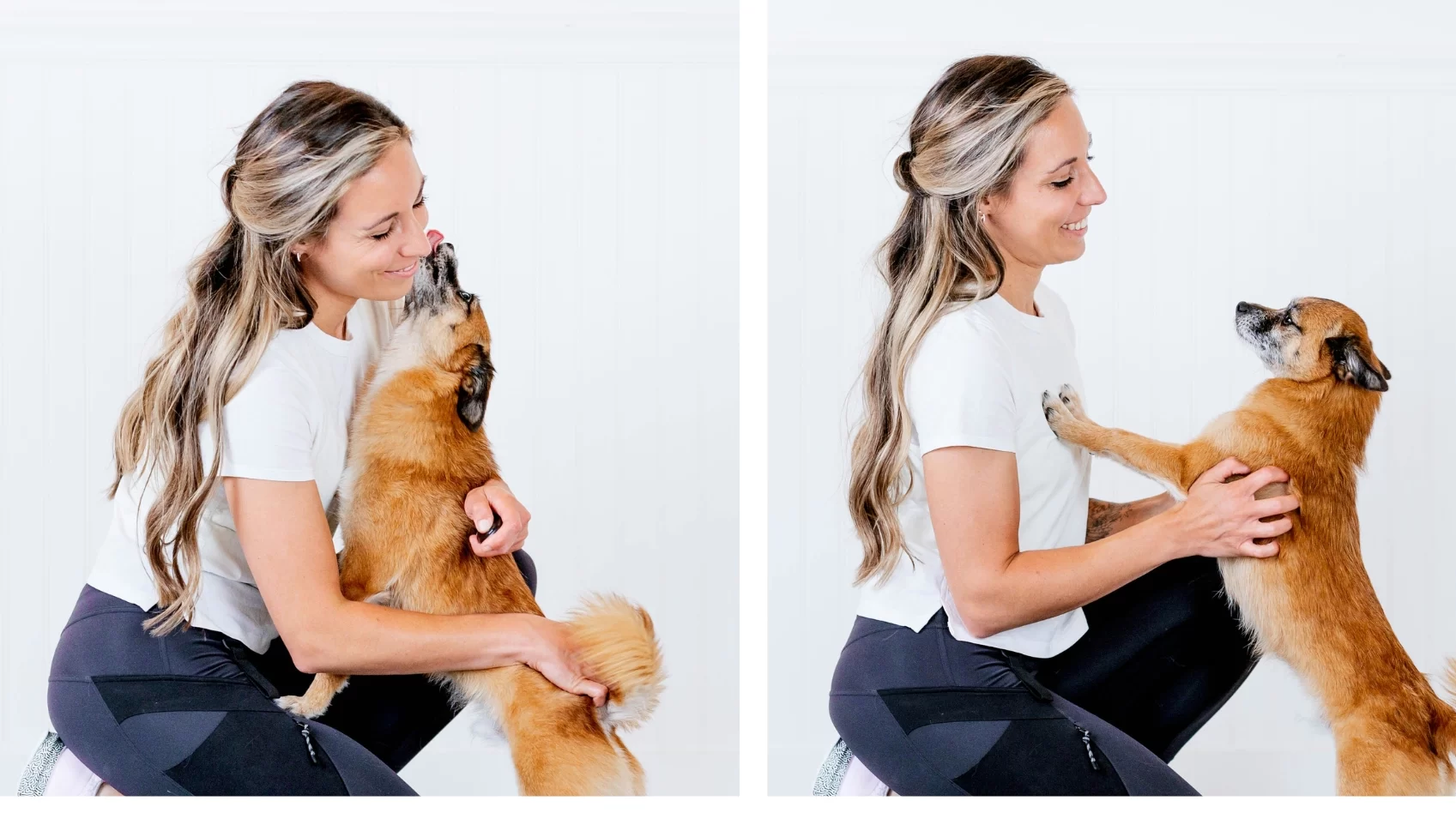
That’s why building positive associations first is critical. Training should always start in calm, low-distraction environments where the cue can be paired with good outcomes repeatedly. Once the association is strong, you can begin introducing controlled distractions. Only after that should you expect reliability in real-world environments.
When cues consistently predict positive experiences, your dog responds because they want to, not because they’re being pressured.
Repetition: Training Builds Muscle Memory
Training works the same way physical conditioning does. You don’t build strength or coordination with one rep. You build it through structured repetition.
Dogs learn through reps, where each successful repetition strengthens neural pathways in the brain. Over time, those pathways turn deliberate behaviors into automatic responses.
This is why training that feels random often stalls. Practicing a skill occasionally, in inconsistent environments, doesn’t create enough repetition for the behavior to stick.
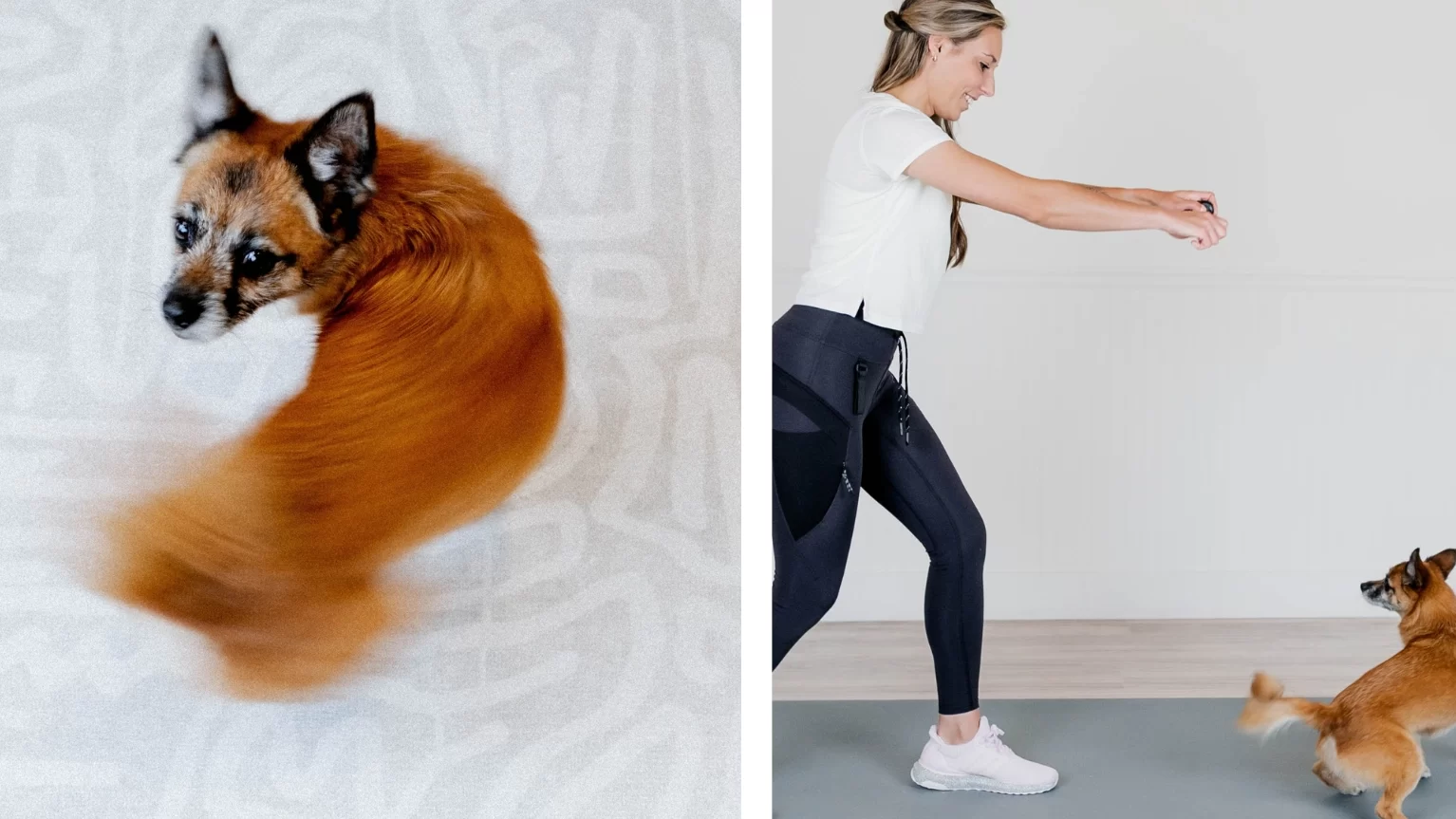
At Canine Gains, we structure training using sets and reps, just like a workout. Short, focused sessions with intentional repetition allow dogs to understand what’s expected and repeat it successfully.
Repetition creates patterns that:
- clarify cues
- reduce hesitation
- build automatic responses
- increase reliability under distraction
When repetition is consistent, your dog stops guessing and starts responding instinctively.
Immediate Feedback: Dogs Learn in the Moment
Dogs experience the world in very small time windows. That means feedback has to happen in real time for it to make sense.
If feedback comes too late, even by a second or two, your dog may not connect it to the correct behavior. This is where many well-meaning owners unintentionally create confusion.
Marker words solve this problem by giving dogs clear, immediate information.
Markers act as signposts during learning. They tell the dog exactly when they got something right, where the reward is coming from, and what they should do next.
At Canine Gains, we teach three simple reward markers:
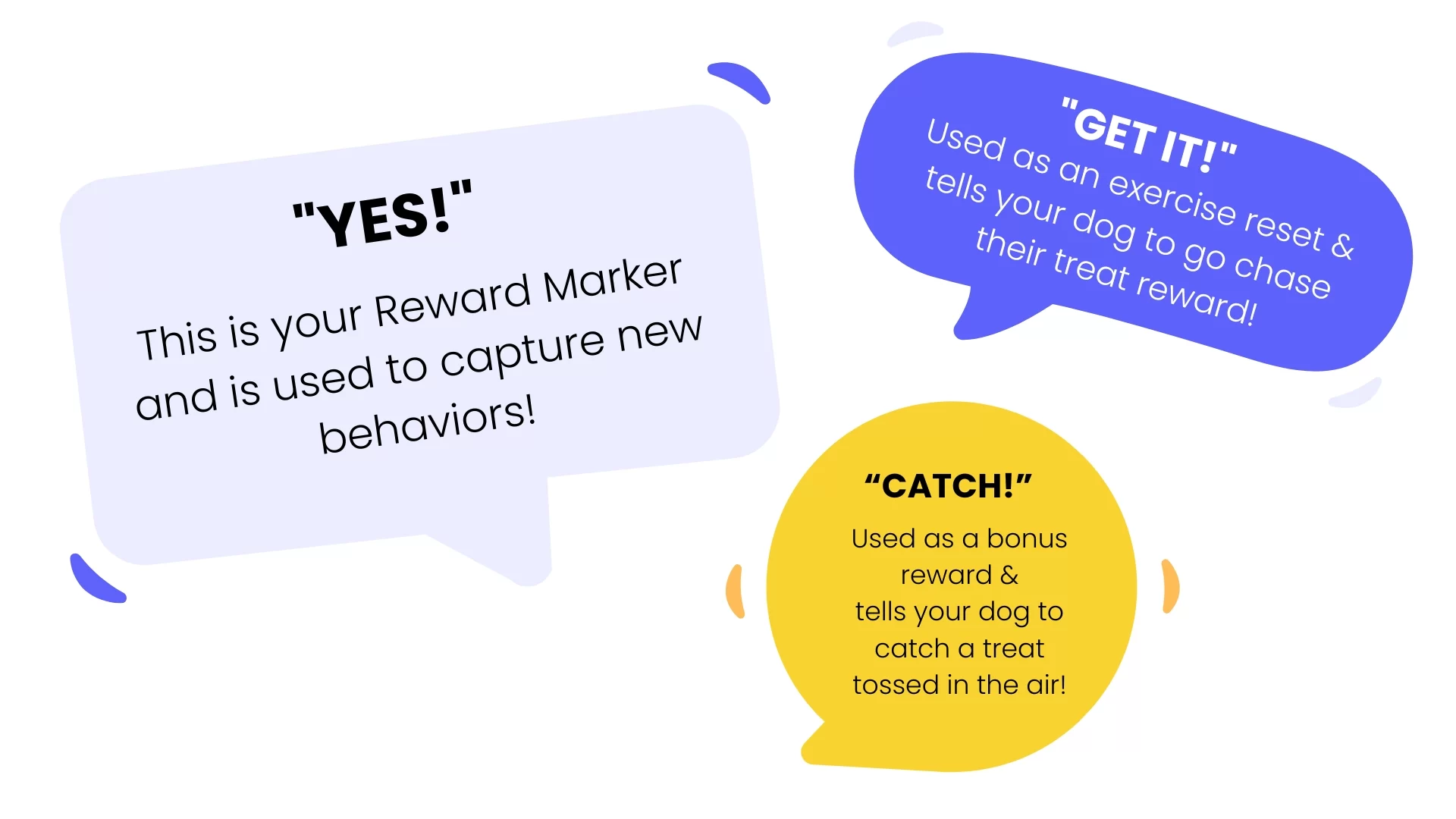
Each marker provides clarity. Your dog doesn’t have to guess where the reward will appear or whether they should stay put or move. That clarity builds confidence and keeps training engaging.
Using multiple markers also keeps sessions dynamic and fun, which increases motivation and focus.
Bringing It All Together
When training aligns with how dogs actually learn, everything changes.
Dogs succeed when:
- skills start in calm environments
- cues stay consistent
- repetition is intentional
- feedback is immediate and clear
- training feels rewarding and engaging
When these pieces are in place, training stops feeling like a struggle. Progress becomes predictable, confidence grows on both ends of the leash, and behaviors transfer more easily to the real world.
Understanding association, repetition, and feedback doesn’t just improve your dog’s behavior. It improves communication. And clear communication is the foundation of reliable, enjoyable training.