Adventure Dogs Aren’t Born. They’re Built!
If you want a dog you can confidently hike with, travel with, and bring into real-world environments, basic obedience alone is not enough. Adventure dogs rely on a specific set of foundational skills that help them stay calm, responsive, and safe when the environment becomes unpredictable.
These skills are not about perfection or rigid control…they are about communication, structure, and intentional practice.
When trained properly, these skills create a dog who can think clearly under pressure, make good choices around distractions, and stay connected to you no matter where life takes you.
Below are the five skills every adventure dog needs, and how to begin building each one!
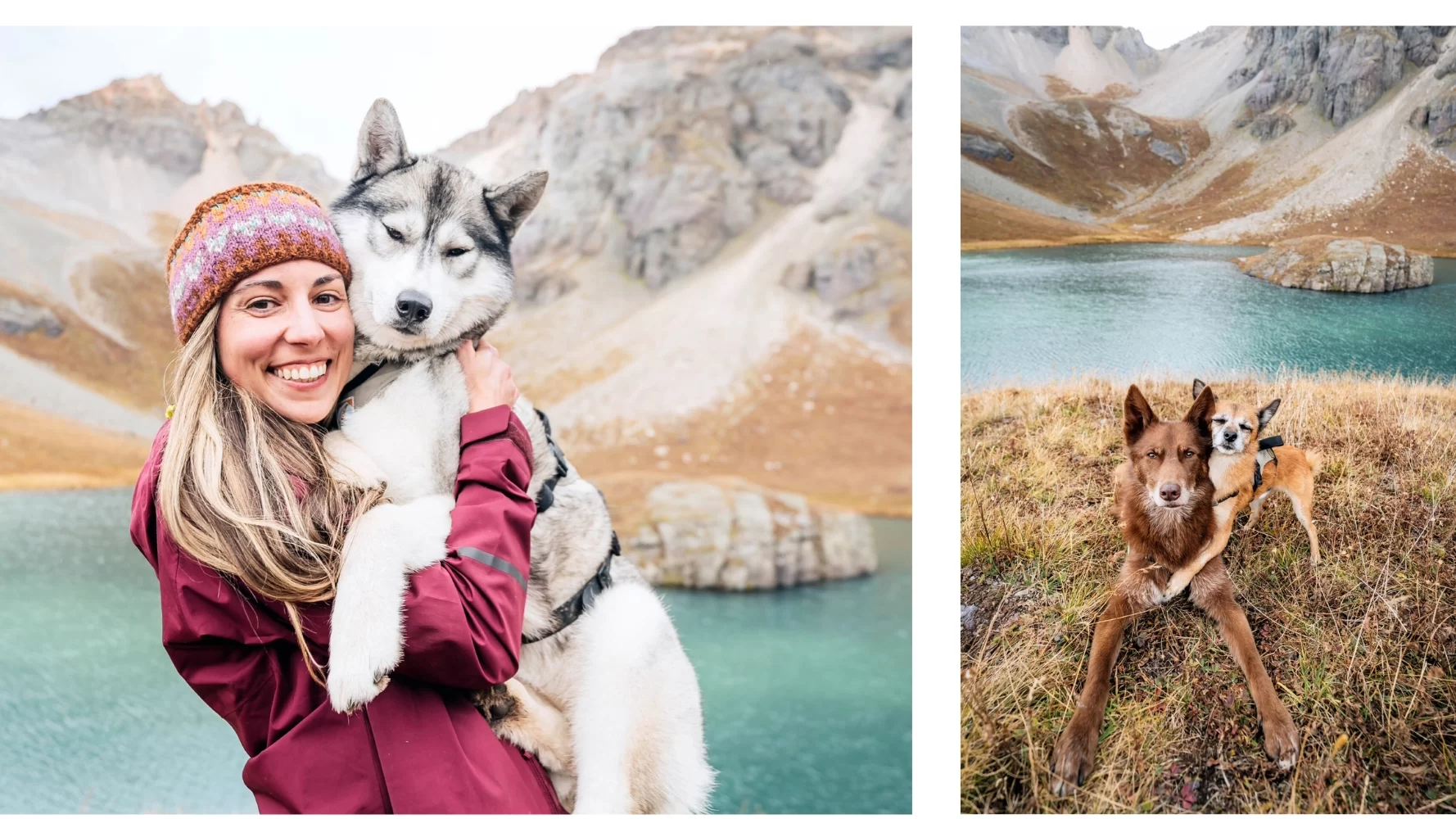
Tip #1 Engagement
Engagement is your dog’s ability to stay mentally connected to you without constant prompting. It is the foundation that every other skill is built on.
A dog with strong engagement will quickly check in, orient back to you after distractions, stay aware of where you are, and value interaction with you even in exciting environments.
Why It Matters
Without engagement, training falls apart quickly. Recall becomes unreliable, leash walking turns into a battle, and impulse control struggles to exist.
Engagement keeps your dog mentally present with you instead of completely absorbed by the environment. It is what allows your dog to notice you even when distractions appear.
How To Build It
Engagement starts in calm spaces where your dog can succeed easily. Reward voluntary check-ins during calm neighborhood walks rather than constantly calling your dog’s name. Use short sessions, movement-based rewards, and clear marker timing.
Engagement should feel easy and rewarding, not forced. When your dog enjoys reconnecting with you, they will choose it more often on their own.
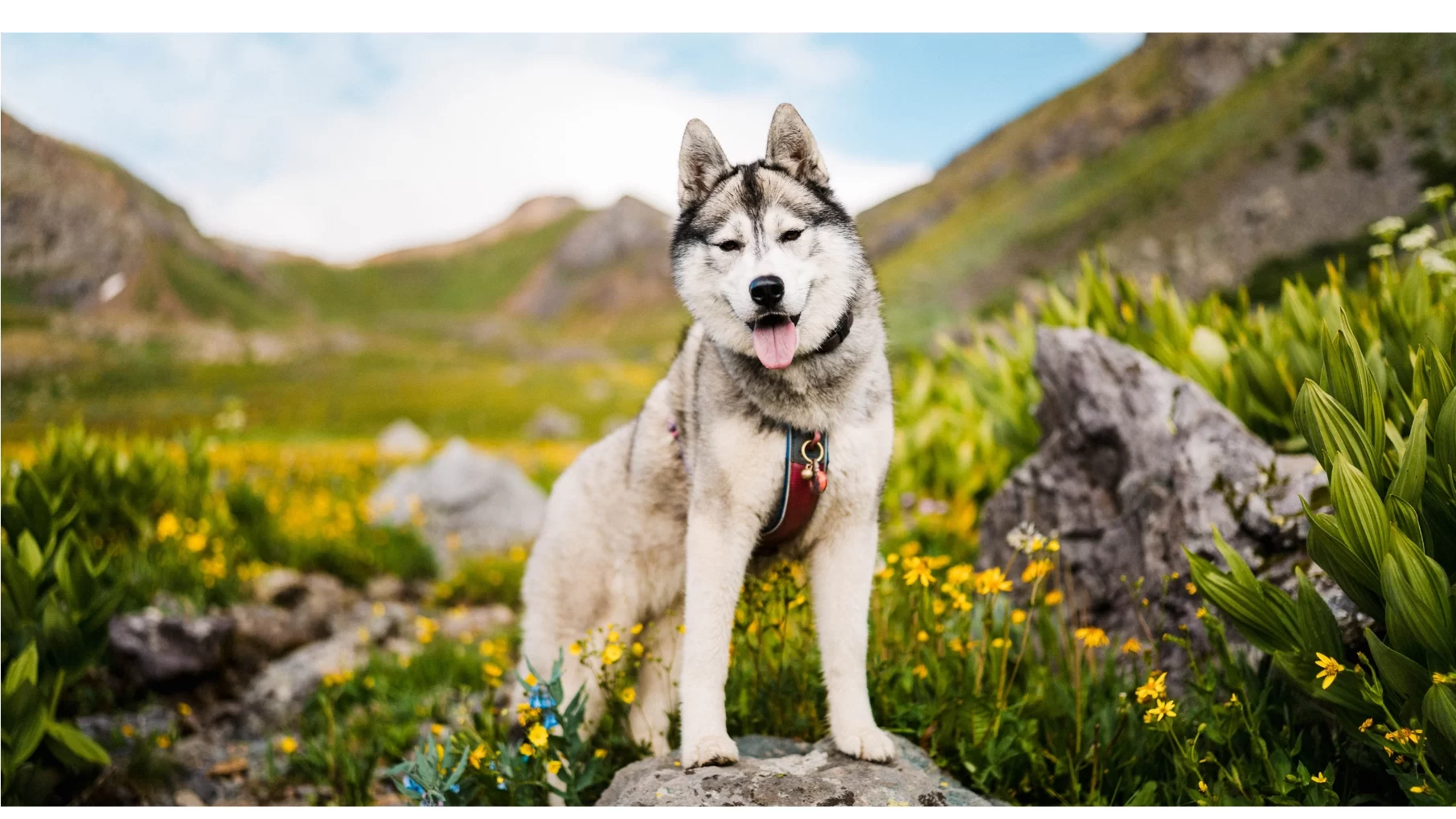
Tip #2 Loose Leash Walking
Loose leash walking is not about forcing your dog to stay in a specific position. It is about teaching your dog how to move with you instead of against you.
It teaches cooperation rather than control.
Why It Matters
Trails, sidewalks, parking lots, and public spaces require teamwork. Pulling creates tension, fatigue, and frustration for both ends of the leash and can quickly turn outings into stressful experiences.
A dog who understands how to walk with you can navigate narrow paths, crowded areas, and changing terrain safely.
How To Build It
Loose leash walking should begin indoors, where distractions are low and learning is clear. This allows your dog to understand the mechanics of leash pressure without environmental overwhelm.
Once those fundamentals are established, new environments are layered in gradually – helping both you and your dog build skills step by step. With proper progression, calm walking becomes predictable and reliable, not a constant cycle of pulling and correction.
If you want a clear, step-by-step plan to help you build a dependable loose leash walk, check out our Loose Leash Walking Course here!
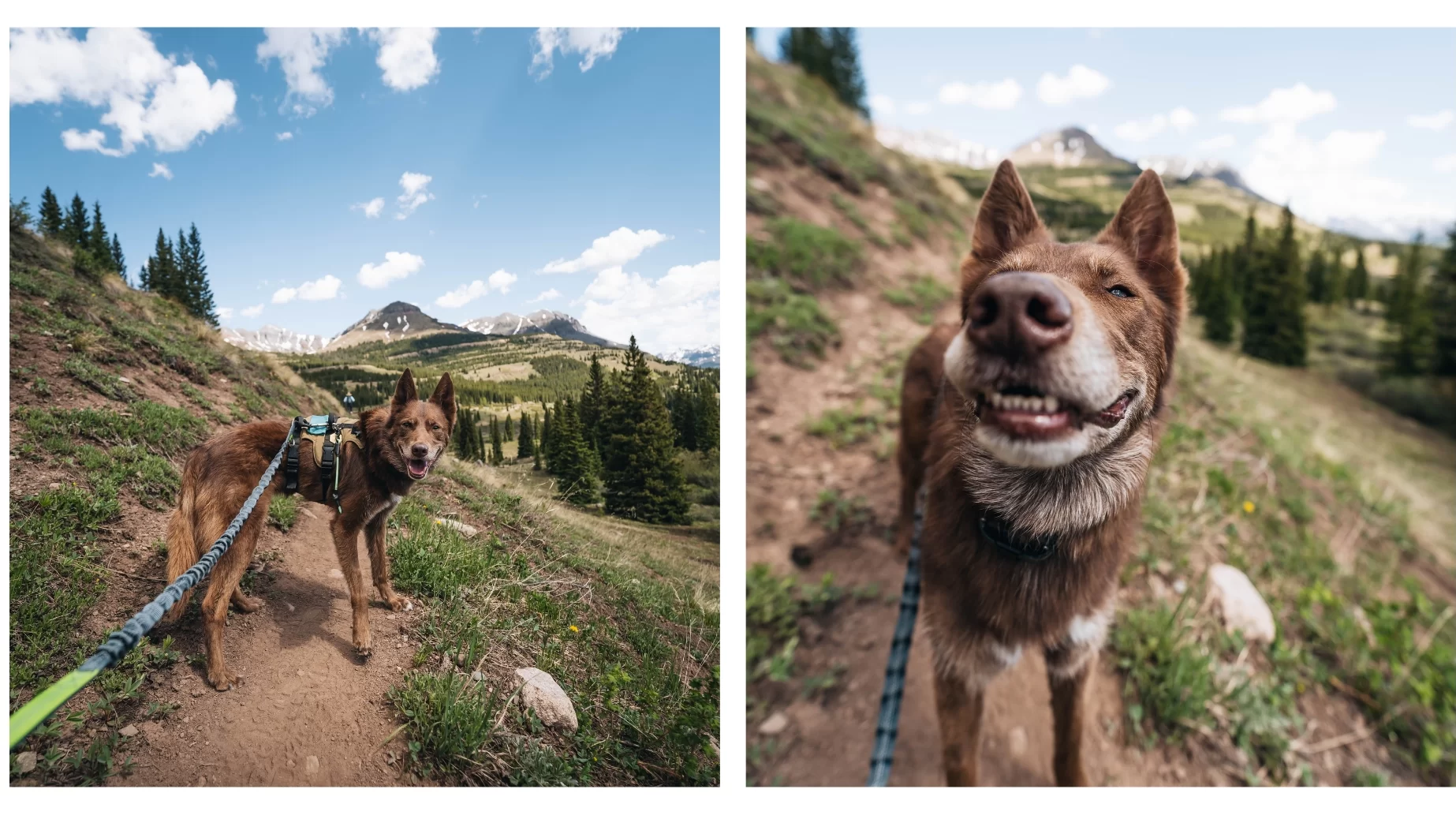
Tip #3 Reliable Recall
Recall is your dog’s ability to disengage from the environment and return to you quickly and confidently when called.
It is not simply responding to a cue. It is choosing you over competing stimuli.
Why It Matters
Recall is one of the most important safety skills your dog can have. Wildlife, other dogs, bikes, cliffs, water crossings, and sudden environmental changes all require a dog who can respond immediately.
A strong recall provides freedom while maintaining safety.
How To Build It
Recall training should always begin indoors, where distractions are minimal and learning can be clear. This is where positive associations are established so coming to you consistently leads to good outcomes your dog wants to repeat.
Practice often, reward generously, and release your dog back to freedom frequently. This teaches your dog that responding to “Come” doesn’t end the fun, it’s simply part of the experience.
As your dog’s understanding grows, distance and distractions are layered in gradually. With enough clear repetitions, recall stops feeling like a command and becomes a conditioned return reflex your dog performs automatically.
To help you build a rock-solid recall, I offer two training options:
Basic Voice-Only Recall Course
Ideal for owners who want to build reliable recall using only their voice, rewards, and structured progression.
Advanced E-Collar Recall Bundle
Includes the full Voice-Only Recall Course as your foundation, then teaches you how to properly and humanely layer in the e-collar for added reliability in real-world environments.
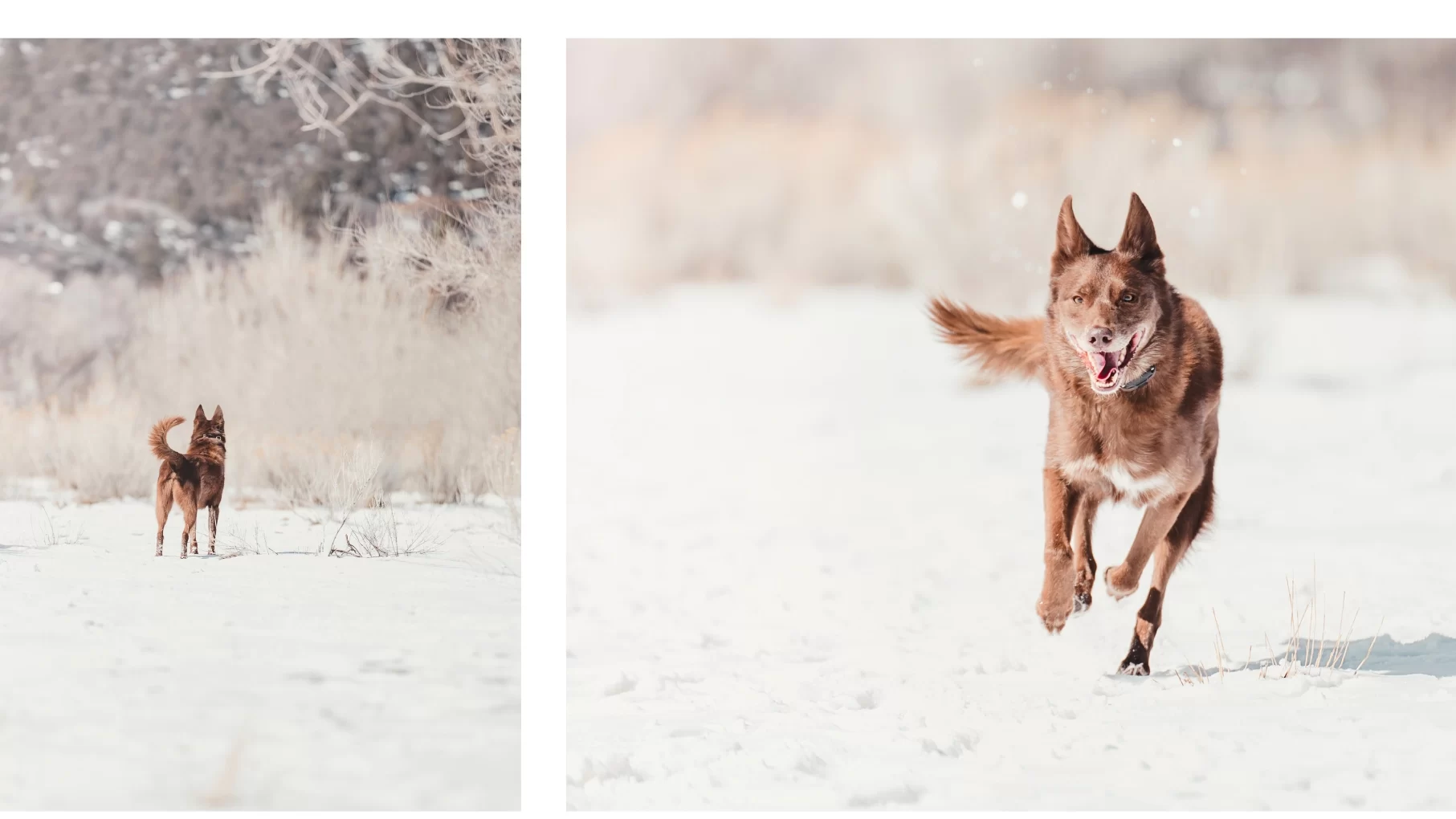
Tip #4 Threshold Skills
Threshold training teaches your dog to pause and think before moving through transitions such as doors, gates, trailheads, and car exits.
These moments often trigger spikes in excitement and impulsive behavior.
Why It Matters
Thresholds are where many accidents and training breakdowns occur. Dogs who rush through transitions are more likely to bolt, pull, or lose focus.
Teaching calm decision-making before movement sets the tone for everything that follows.
How To Build It
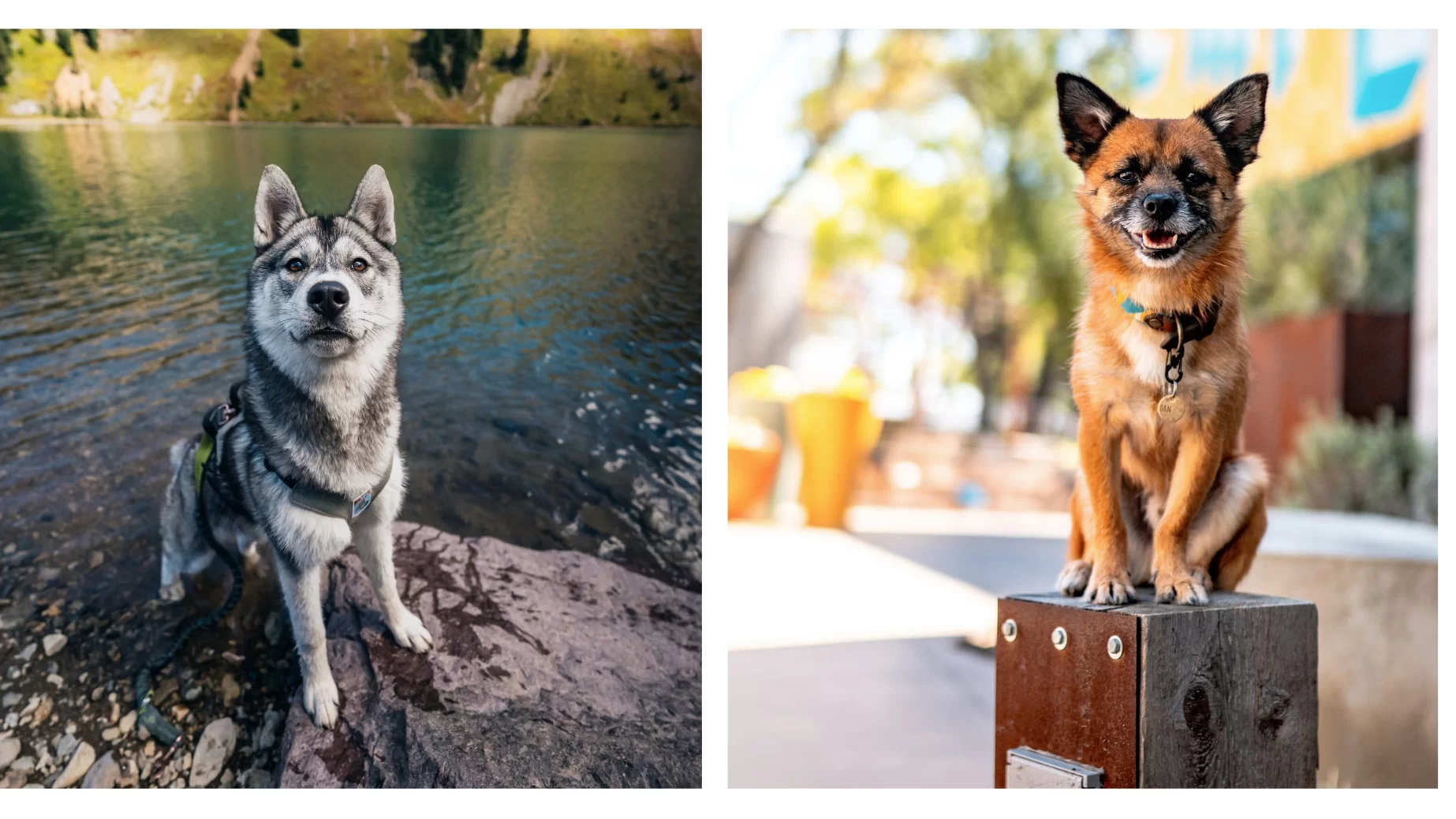
Practice asking your dog to wait calmly on “place” objects such as mats, benches, rocks, or logs. Reward stillness, eye contact, and thoughtful movement rather than rushing forward.
When your dog learns that calm behavior opens doors to adventure, impulse begins to fade naturally.
Calm does not start on the trail. It starts before you ever step onto it.
Tip #5 Impulse Control & Neutrality
Impulse control is not suppression or obedience for obedience’s sake. It is neutrality.
Neutrality means your dog understands they do not need to interact with everything they see.
Why It Matters
Adventure dogs encounter people, dogs, wildlife, bikes, runners, and new environments constantly. Reactivity or over-excitement in these moments creates safety risks and stress.
Neutral dogs can observe the world without needing to engage with it.
How To Build It
Avoid encouraging unnecessary greetings or interactions while you’re out and about. Over time, your dog learns that calm, neutral behavior is both successful and rewarding.
Neutrality begins with you. Practice walking past everyday distractions such as people, other dogs, wildlife, and environmental movement without stopping or engaging. Keep moving forward, even if your dog wants to pause, stare, or lock in.
By consistently showing your dog that these distractions are simply part of the environment and not invitations to interact, your dog learns to move through the world calmly and confidently.
Neutral behavior should feel secure and relaxed, not restrictive. The goal isn’t suppression. It’s teaching your dog that they don’t need to react to everything around them.
Conclusion
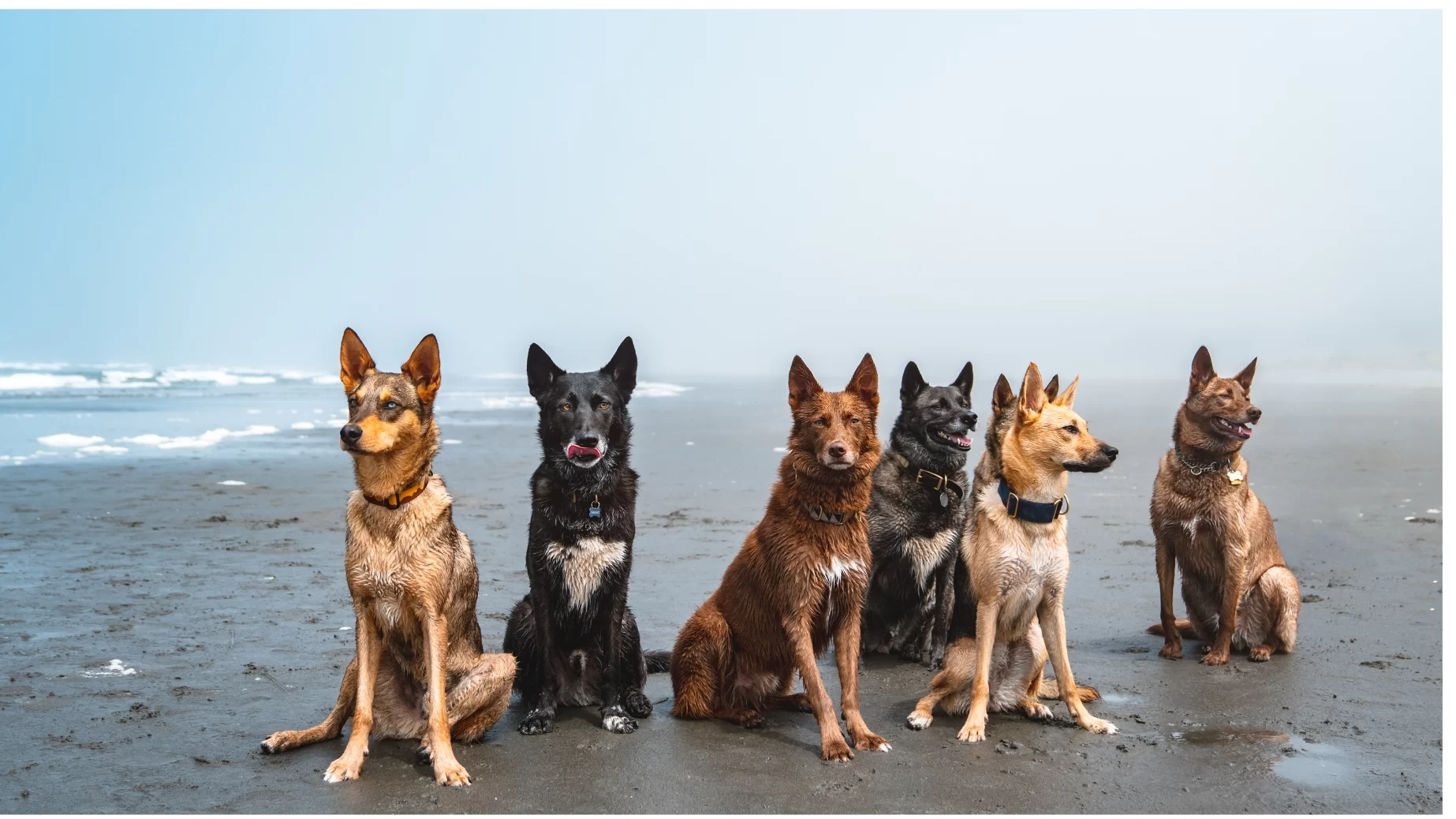
Adventure dogs are not defined by perfect obedience. They are defined by adaptability, responsiveness, and calm decision-making in the real world.
When engagement, leash skills, recall, thresholds, and neutrality are trained intentionally and layered properly, your dog becomes more than well behaved…they become a reliable partner you can trust in unpredictable environments.
These skills do not develop overnight, but with clarity, structure, and consistent practice, they are absolutely achievable.