How To Improve Your Training Progress!
Have you ever felt frustrated with your dog’s training progress? Maybe they listen most of the time, but it’s definitely not consistent. Or they behave beautifully inside the house, then seem to forget everything the moment you step outside.
If that sounds familiar, you’re not alone. This is one of the most common experiences dog owners have, and it’s not because the dog is stubborn, defiant, or incapable of learning.
More often than not, the issue comes down to how training is structured.
Dogs thrive on clarity, consistency, and repetition, and when those pieces are missing, progress feels slow, unpredictable, and frustrating. And this is exactly why we created the Canine Gains Training Method: a structured, gym-style approach that makes training clear, repeatable, and sustainable for both dogs and their owners.
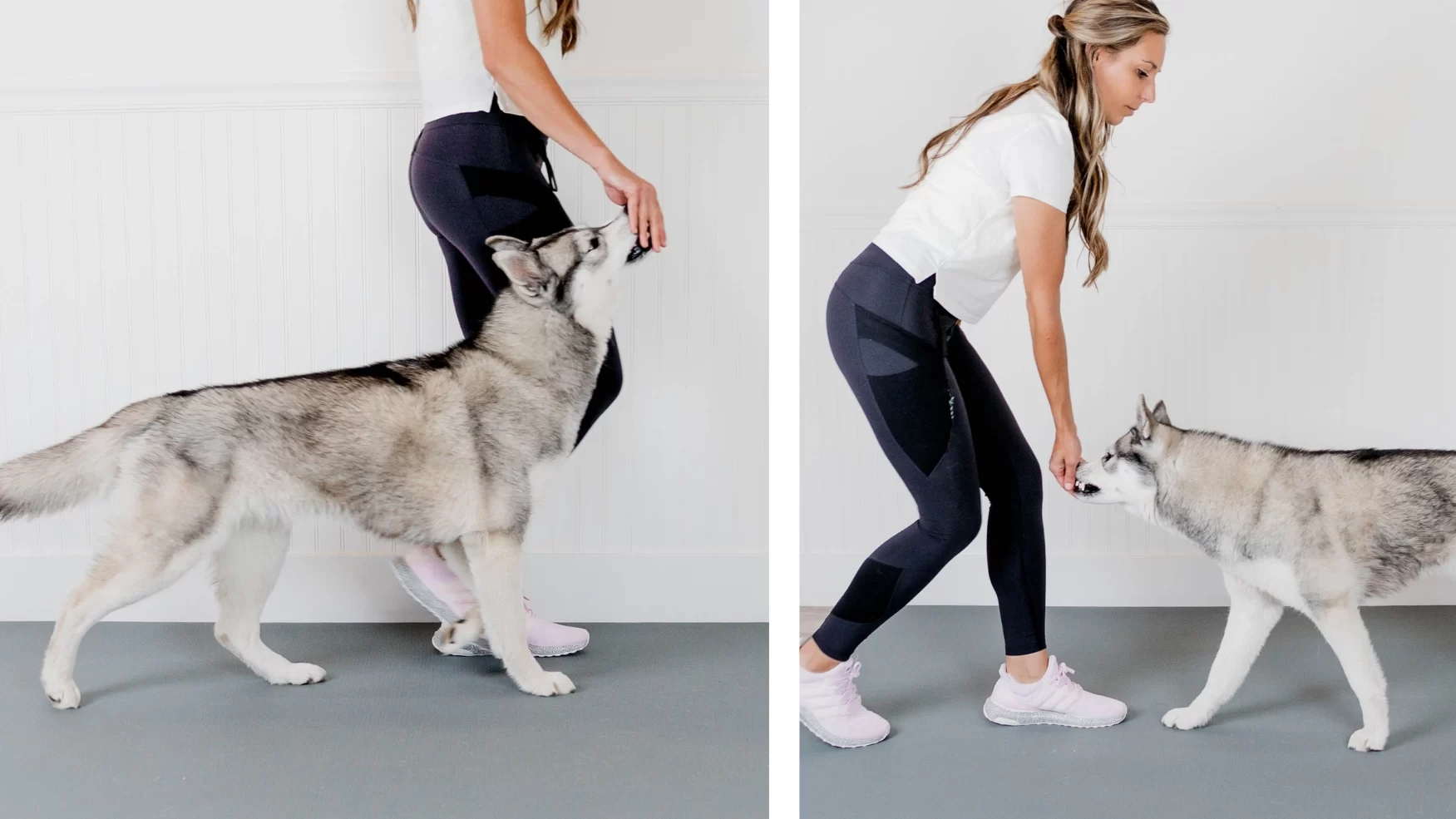
The Problem with “Random” Training Sessions
Most dog owners don’t intentionally train randomly, but that’s often what ends up happening.
Training happens when there’s time, when a problem pops up, or when frustration hits a breaking point. Commands are practiced here and there, sometimes indoors, sometimes outside, sometimes with treats, sometimes without. Expectations change depending on the situation…you get the gist.
Without structure, dogs struggle to:
- understand what is being asked of them when cues are inconsistent
- retain skills without enough repetition
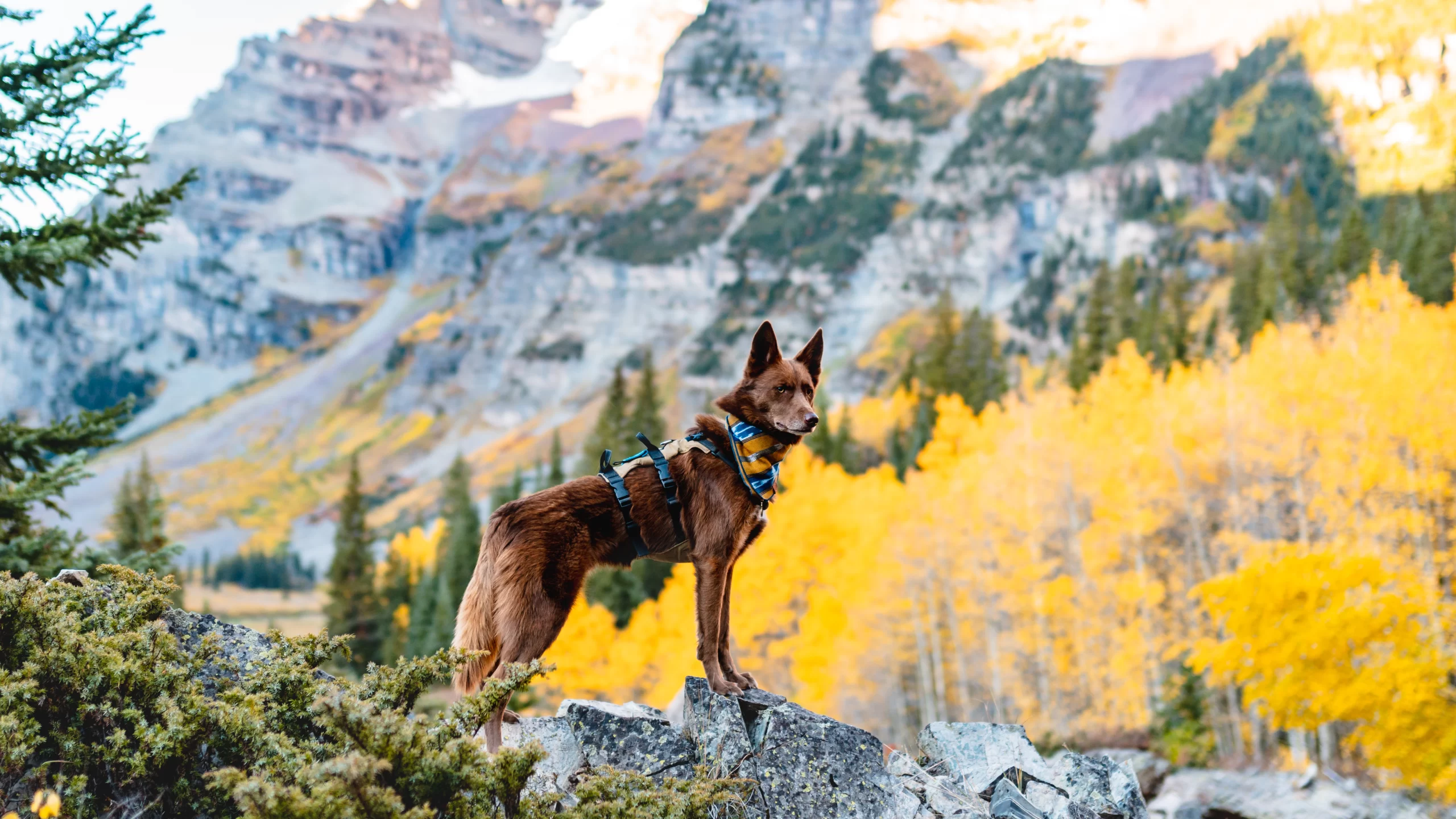
- perform reliably in distracting, real-world environments
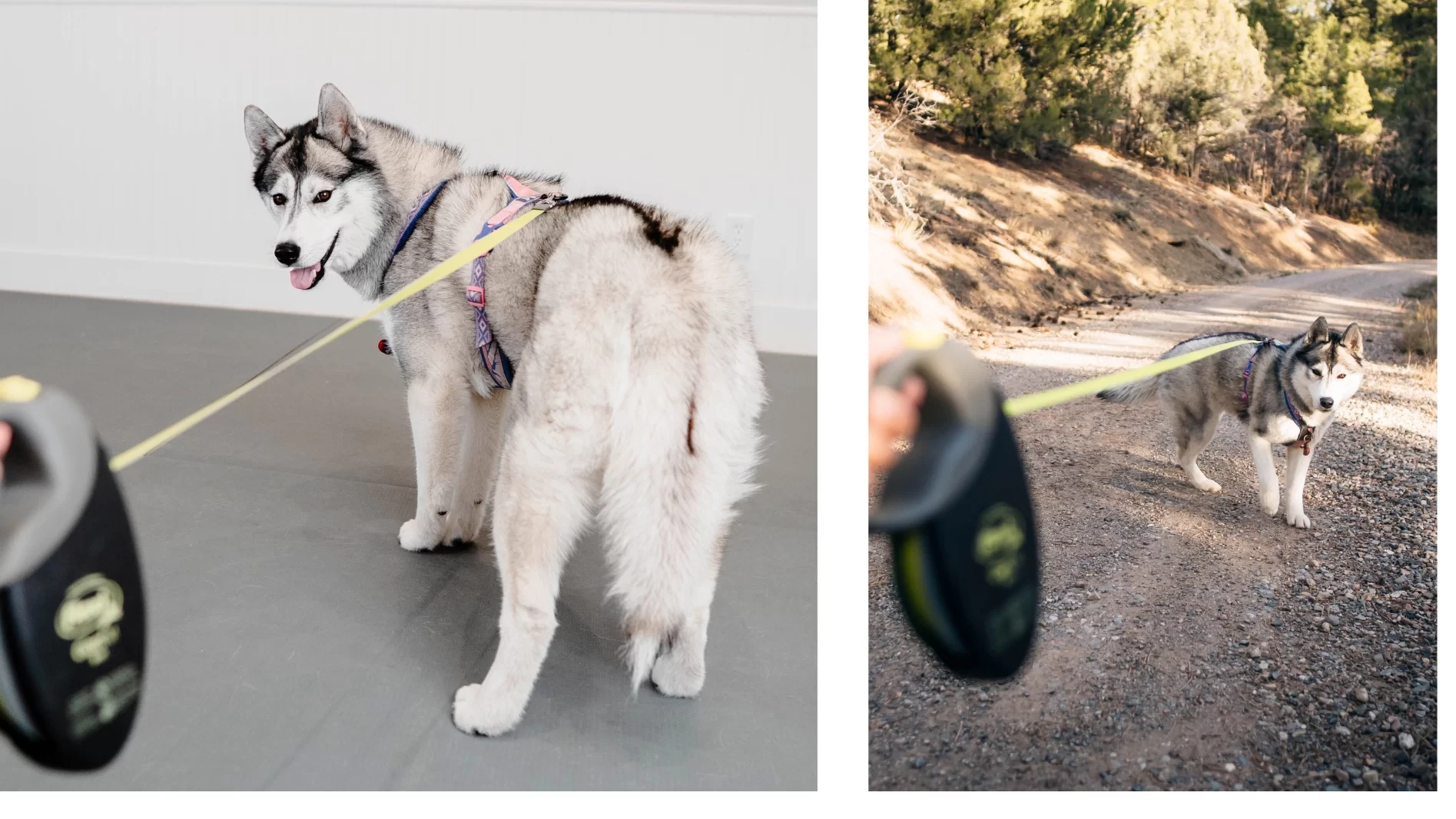
This is why so many owners say, “My dog knows it at home, but ignores me outside.” The behavior wasn’t generalized or reinforced systematically, and the dog wasn’t given a clear path to succeed in new environments.
It’s not a behavior problem. It’s a training structure problem.
Train Your Dog Like You’d Train Your Body
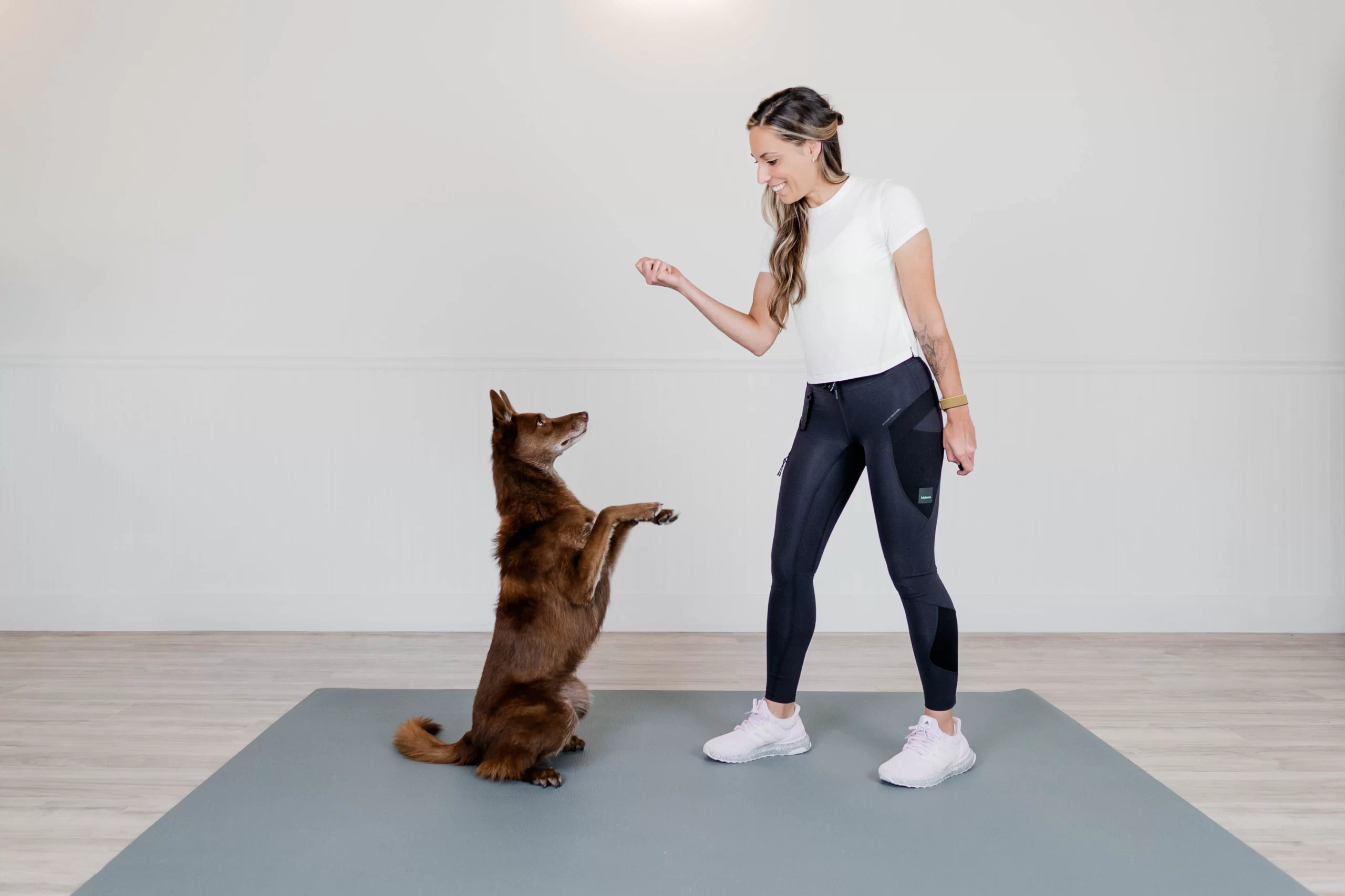
At Canine Gains, we approach dog training the same way you would approach fitness.
You wouldn’t walk into a gym, randomly lift weights, skip workouts, and expect consistent results. You follow a plan. You repeat exercises. You progress gradually. Dog training works the same way.
Instead of random practice, our method is built around sets, reps, and progression.
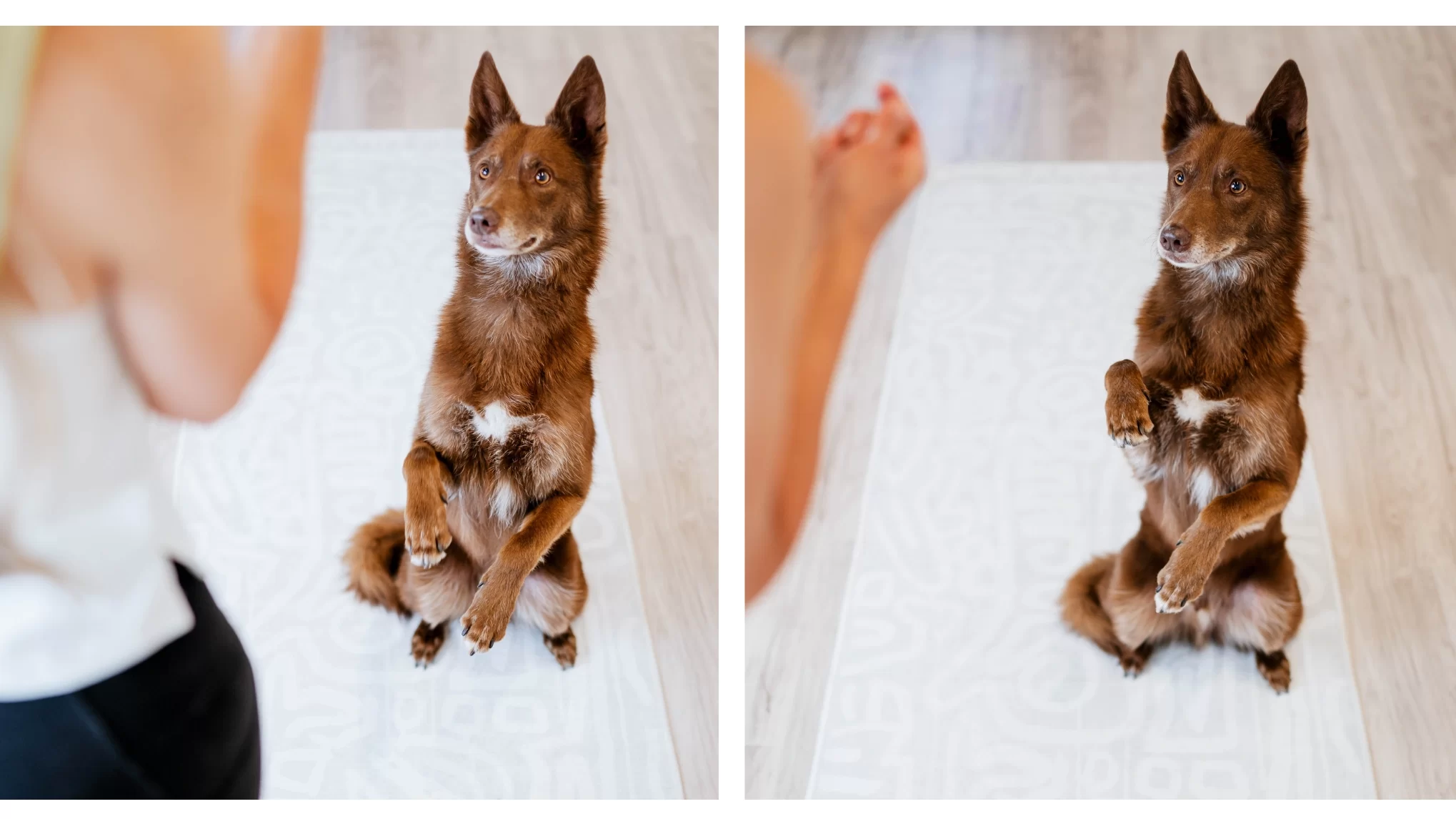
Training sessions are short and focused, usually 15 to 30 minutes a day. Exercises are practiced intentionally, with a clear number of repetitions. Difficulty increases gradually as the dog succeeds, rather than jumping straight into high-distraction environments.
This structure creates:
- faster learning through clarity
- stronger habits through repetition
- confidence for both the dog and the owner
Training stops feeling overwhelming and starts feeling manageable!
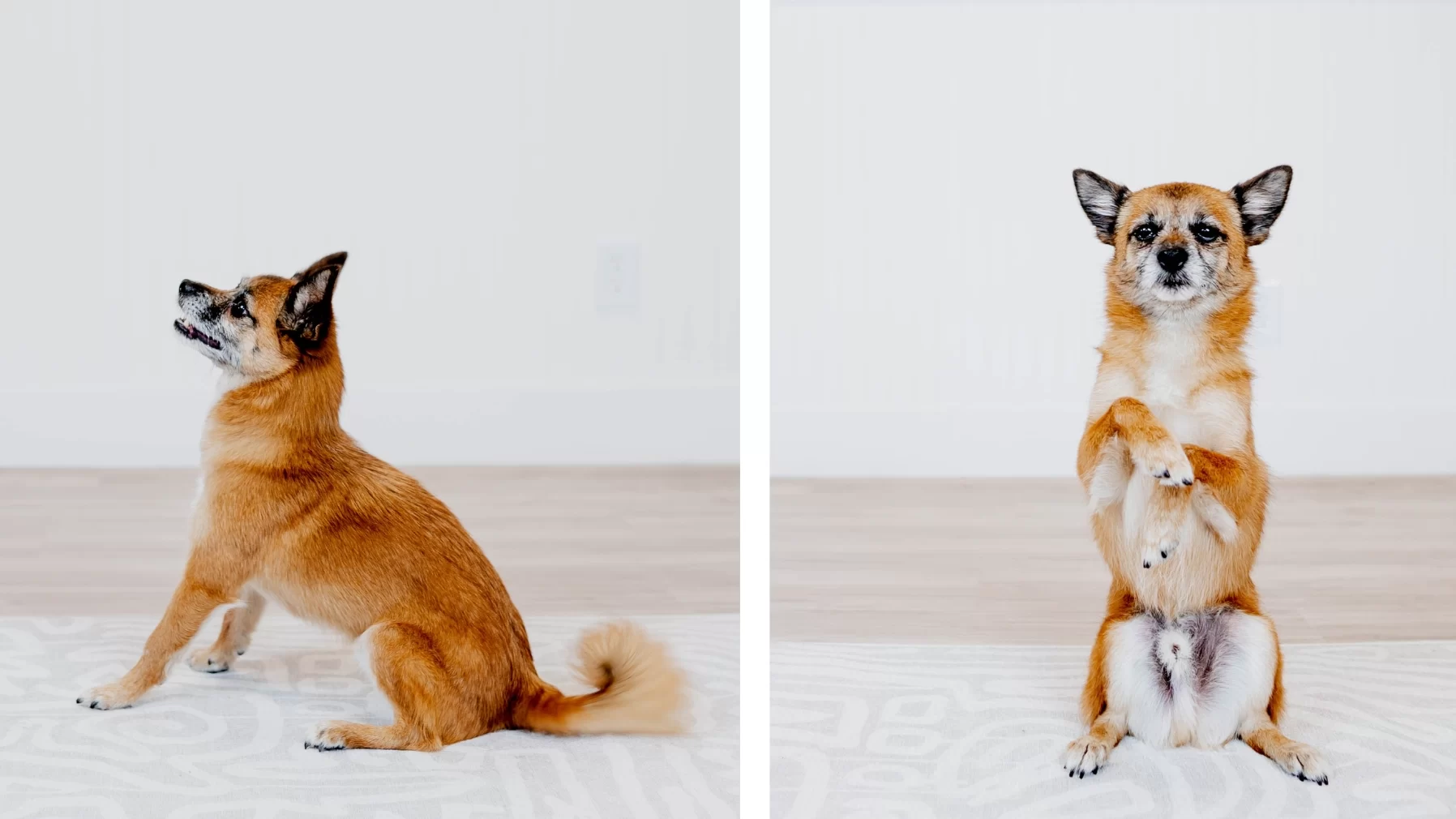
Three Keys to Faster, More Reliable Training
1. Break Training into Sets and Reps
Each behavior should be treated like an exercise.
Instead of practicing recall whenever the moment arises, you plan it. For example, you might practice five recall reps inside the house, five in the backyard, and five in a quiet outdoor space. This repetition builds understanding and muscle memory far more effectively than sporadic practice.
Dogs learn through repetition. Sets and reps give that repetition purpose.
2. Start Indoors, Then Gradually Move Outdoors
One of the most common mistakes owners make is asking too much, too soon.
A dog who can focus indoors has not yet learned to focus outside. Each new environment adds distractions and complexity. By starting indoors and gradually increasing difficulty, you allow your dog to succeed at every stage of learning.
This layered approach builds confidence and prevents the frustration that comes from skipped steps.
3. Use Tools That Create Consistency
Consistency is hard without a plan.
Inside every Canine Gains course, we provide tools designed to remove guesswork and keep training on track. Training schedules outline exactly what to work on each day. Drill sheets break exercises down into clear sets and reps, supported by video demonstrations. Progress trackers help you see patterns, celebrate wins, and stay consistent over time.
These tools turn training into a routine instead of a reaction.
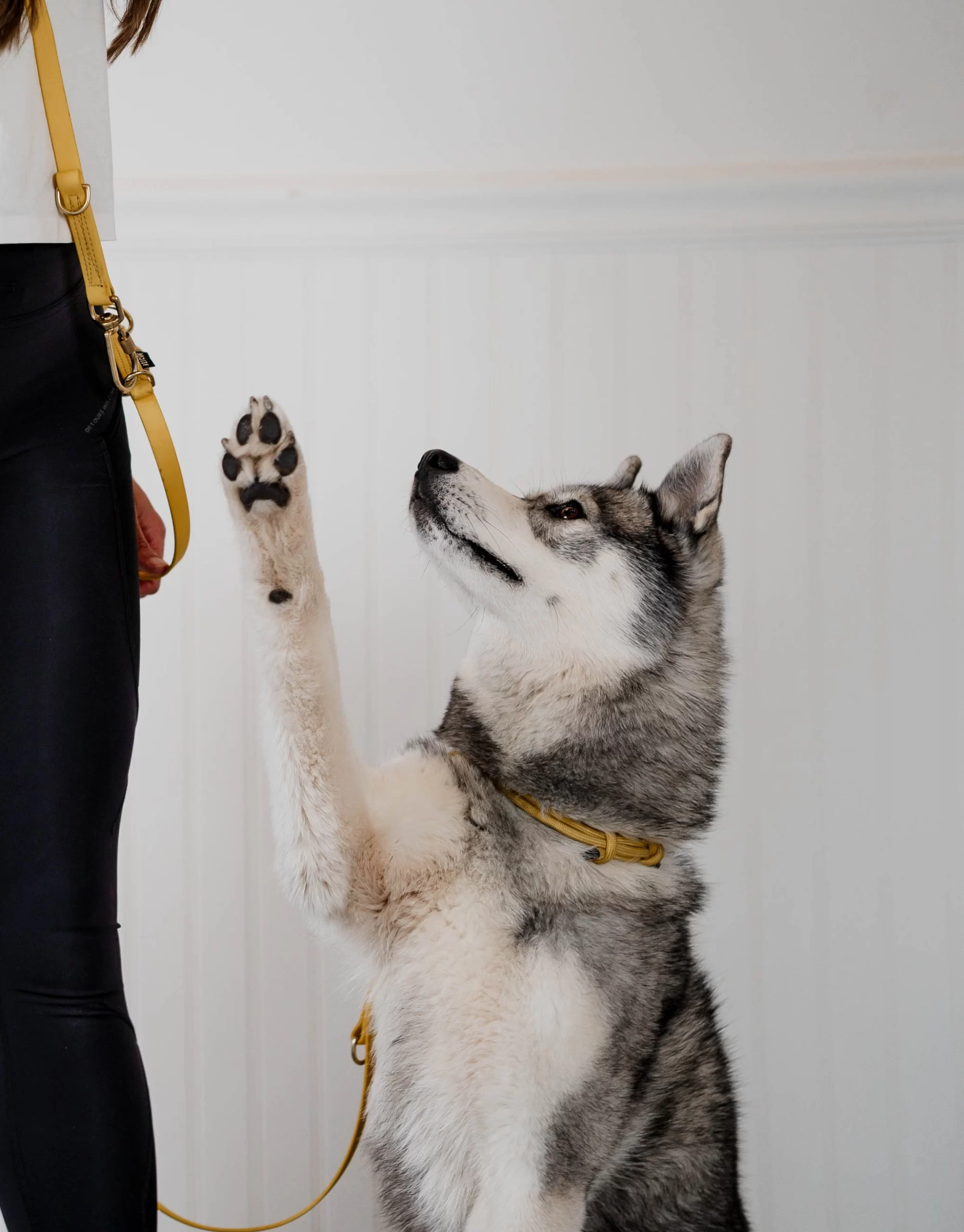
Train Smarter, Not Harder: When training has structure, everything changes.
Dogs learn faster because expectations are clear. Behaviors stick because repetition is intentional. Owners feel more confident because they know exactly what to do and when to do it.
Whether you’re working on leash walking, recall, or foundational skills, the Canine Gains Method gives you a predictable path forward. Training becomes something you build, not something you “hope” works out.