How To Refine Your Dog’s Recall
Have you ever noticed how your dog comes running the moment you call them inside the house, but outside it feels like they suddenly forgot everything they know?
This isn’t disobedience.
It isn’t stubbornness.
And it definitely isn’t your dog trying to ignore you.
What’s actually happening is overload.
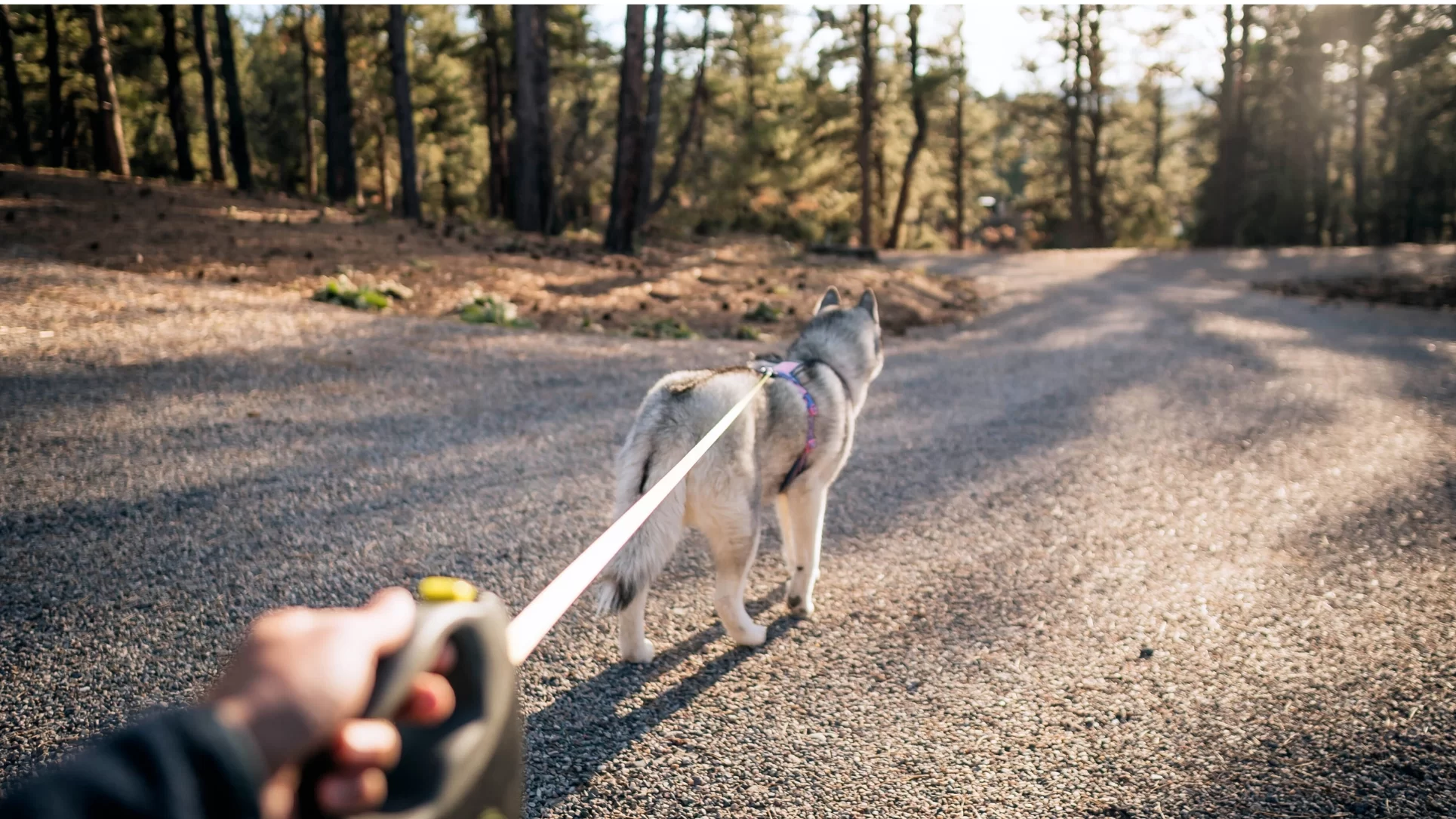
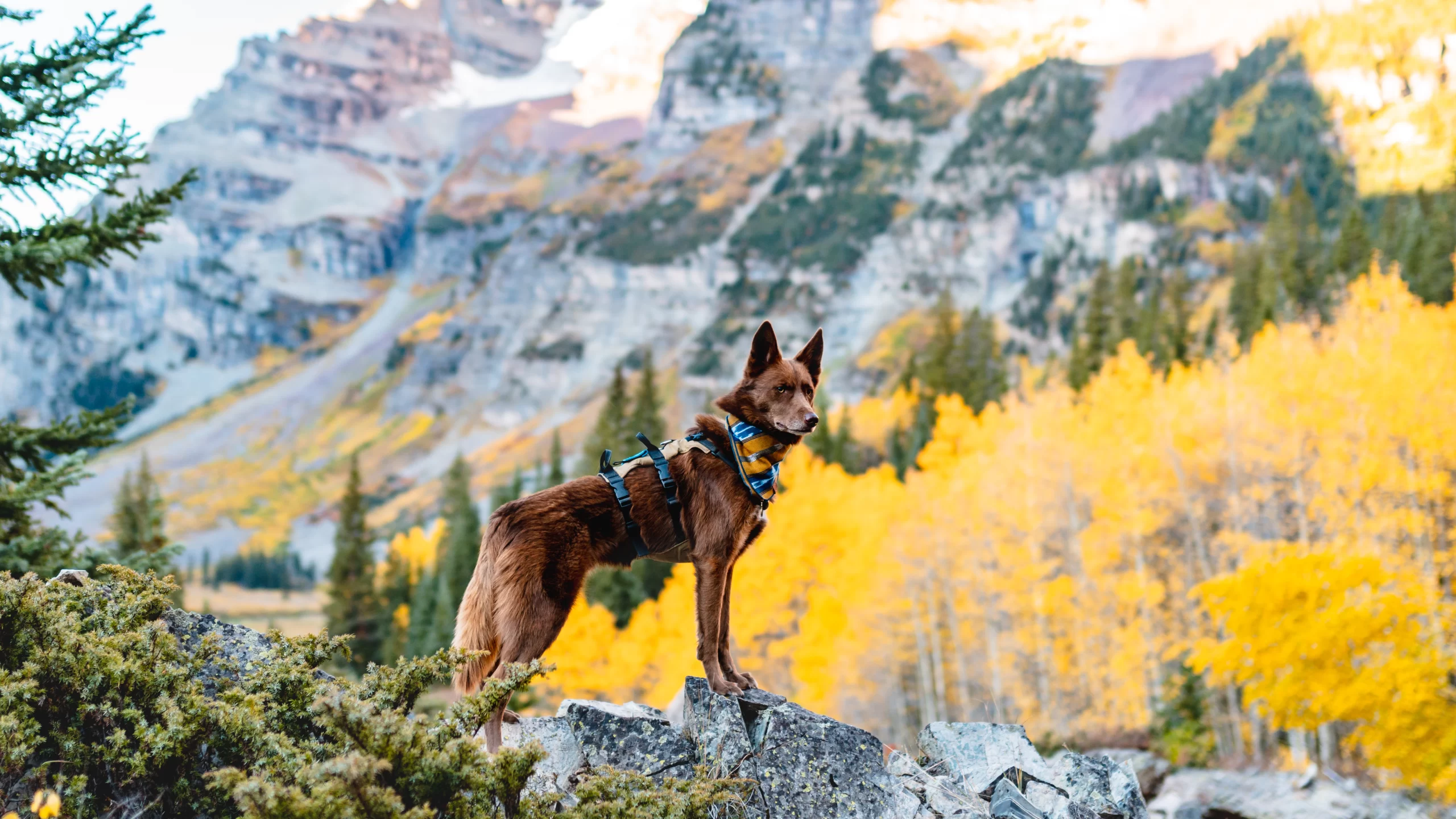
Outside, your dog’s brain is processing scents, sounds, movement, terrain, animals, people, and excitement all at once. In that moment, recall isn’t competing with just one distraction…it’s competing with everything!
So instead of thinking “my dog is ignoring me,” think, “they’re overstimulated or not yet trained for this environment.”
The good news is that reliable recall is absolutely trainable when you approach it the right way.
Let’s review three key principles that make recall dependable in the real world.
Tip 1: Dogs Learn Recall in Layers, Not Leaps
Recall reliability isn’t built in one big breakthrough moment. It’s built by stacking small, successful reps over time.
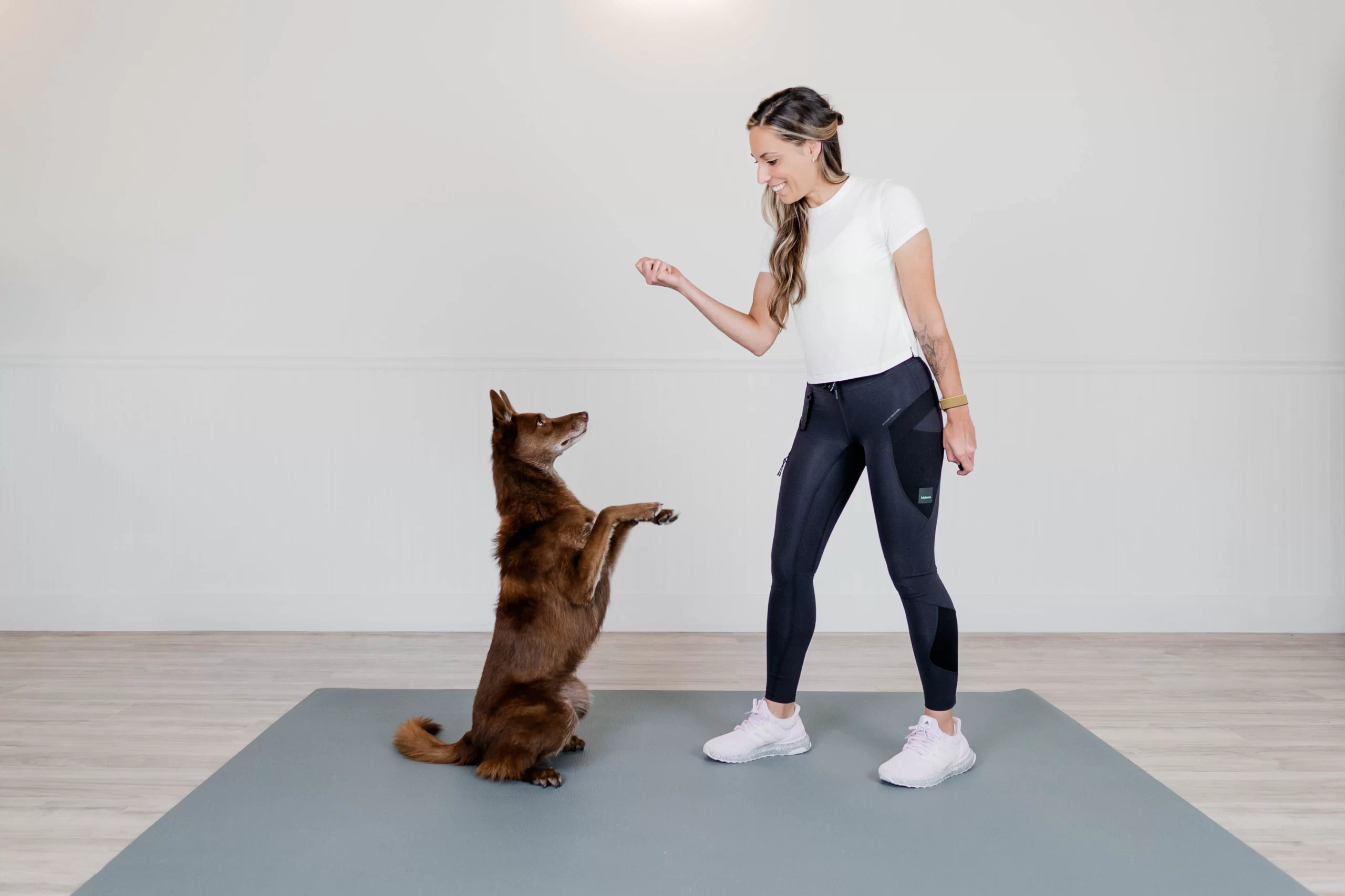
Dogs do not automatically generalize behaviors across environments which means that a recall that works indoors is not the same recall outdoors. Every new environment is a new learning layer, and that’s why recall training should always start in a low-distraction area first before gradually progressing to more distracting environments.
You wouldn’t teach someone to drive for the first time on the highway, and you shouldn’t teach your dog recall in busy parks or trails. Set your dog up for learning success by always starting your teaching inside a quiet room of your home, gradually increasing the difficulty by mixing up your environments.
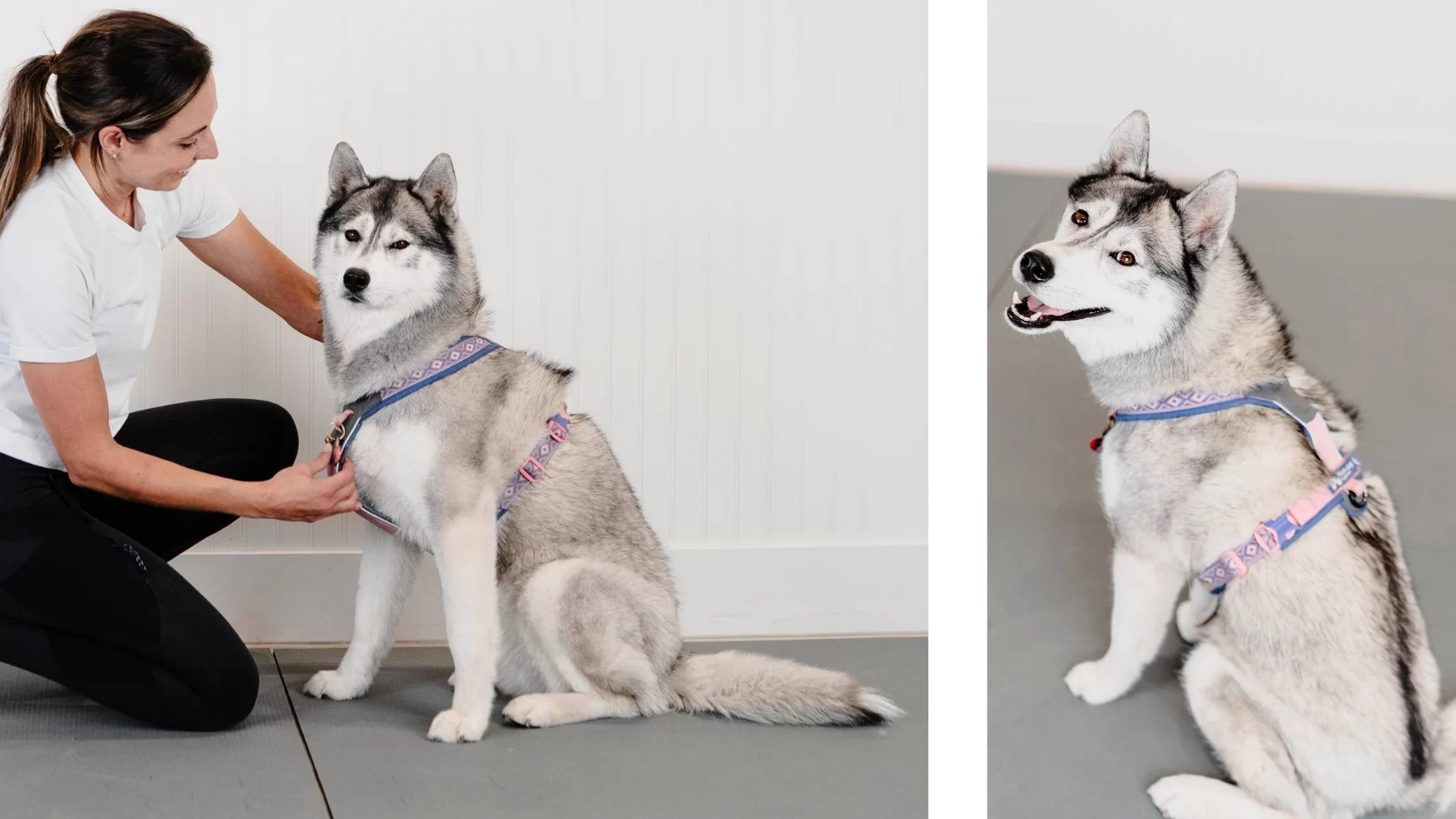
A solid recall progression might look like this: first you start your recall training in your home, then shift to your front or backyard, then do your driveway or quiet sidewalk, next to an empty park, on to a busier park, and finally to high-distraction trails.
Each step adds a new layer of difficulty. When you move through those layers slowly, your dog has the chance to understand what is being asked and succeed at each stage.
Skipping layers is one of the biggest reasons recall falls apart outdoors. When you build them intentionally, reliability follows.
Tip 2: Association Matters More Than the Cue Itself
Recall must mean one thing to your dog:
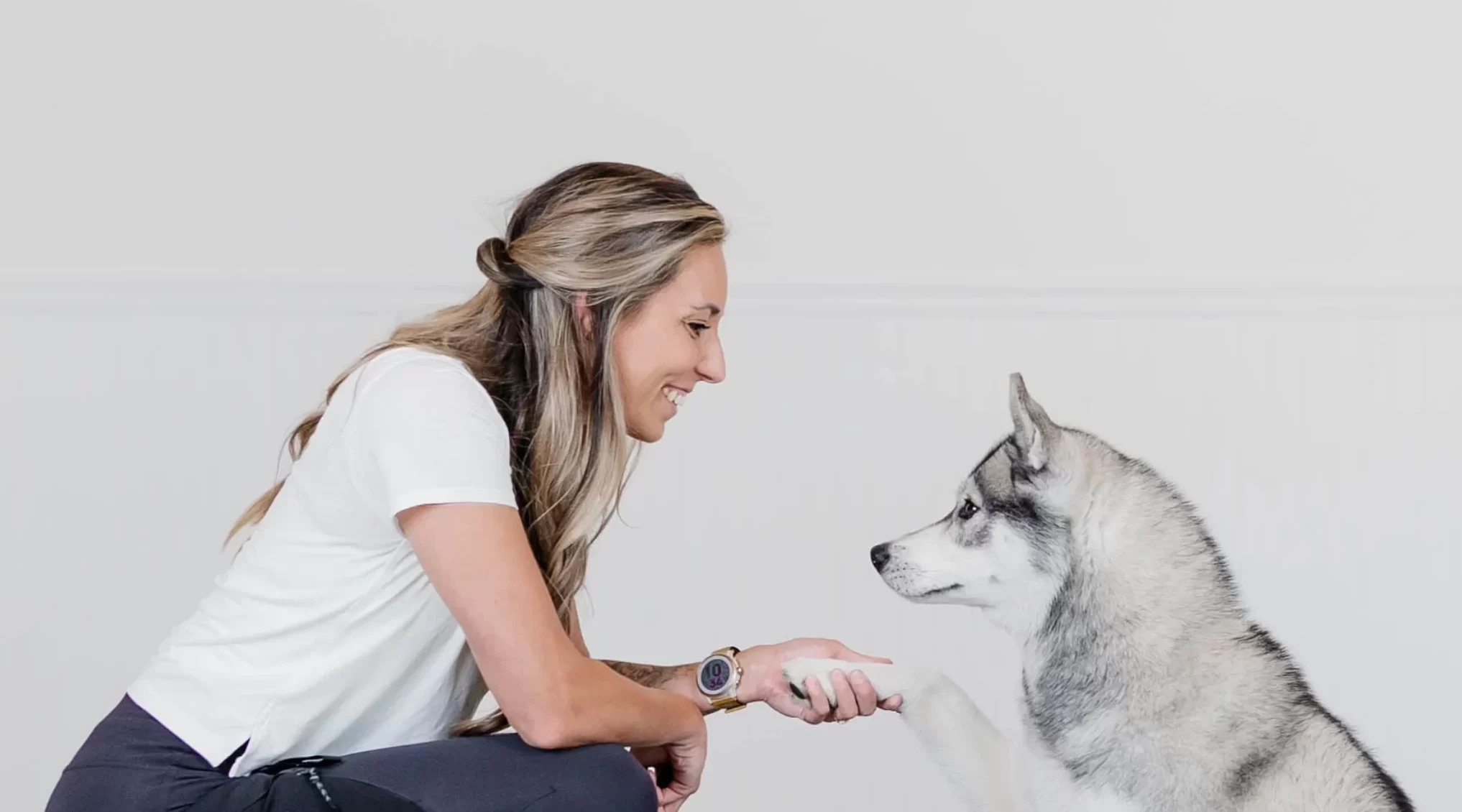
Coming to you makes good things happen!
If recall sometimes means rewards, praise, or play, but other times means the leash goes on and the fun ends, your dog will hesitate. They’re not being difficult…they’re weighing outcomes.
Strong recall comes from positive associations.
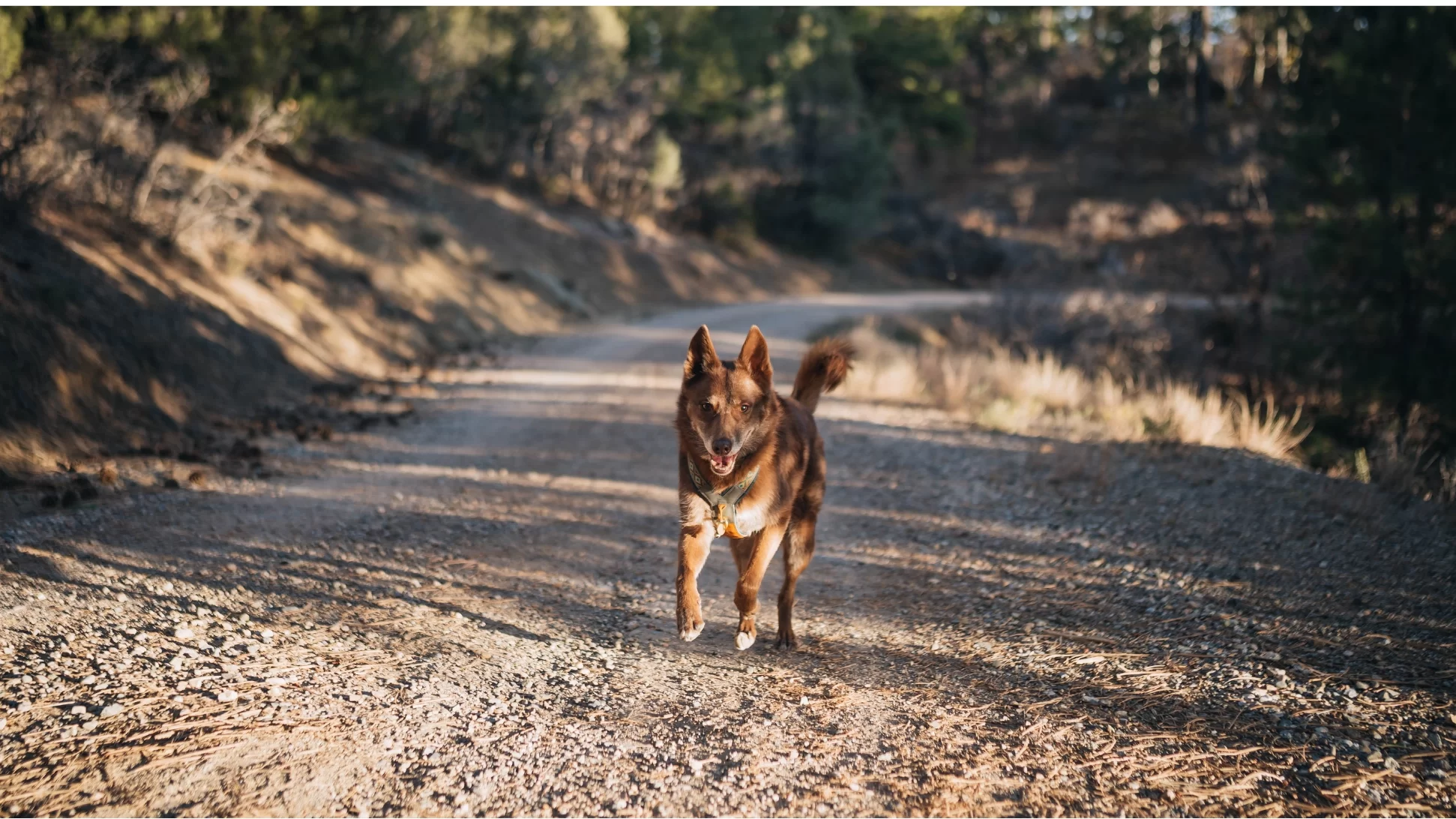
You can build those associations by:
- Using high-value rewards for recall reps.
- Turning rewards into play, such as rewarding with a Treat Chase or Structured Tug game.
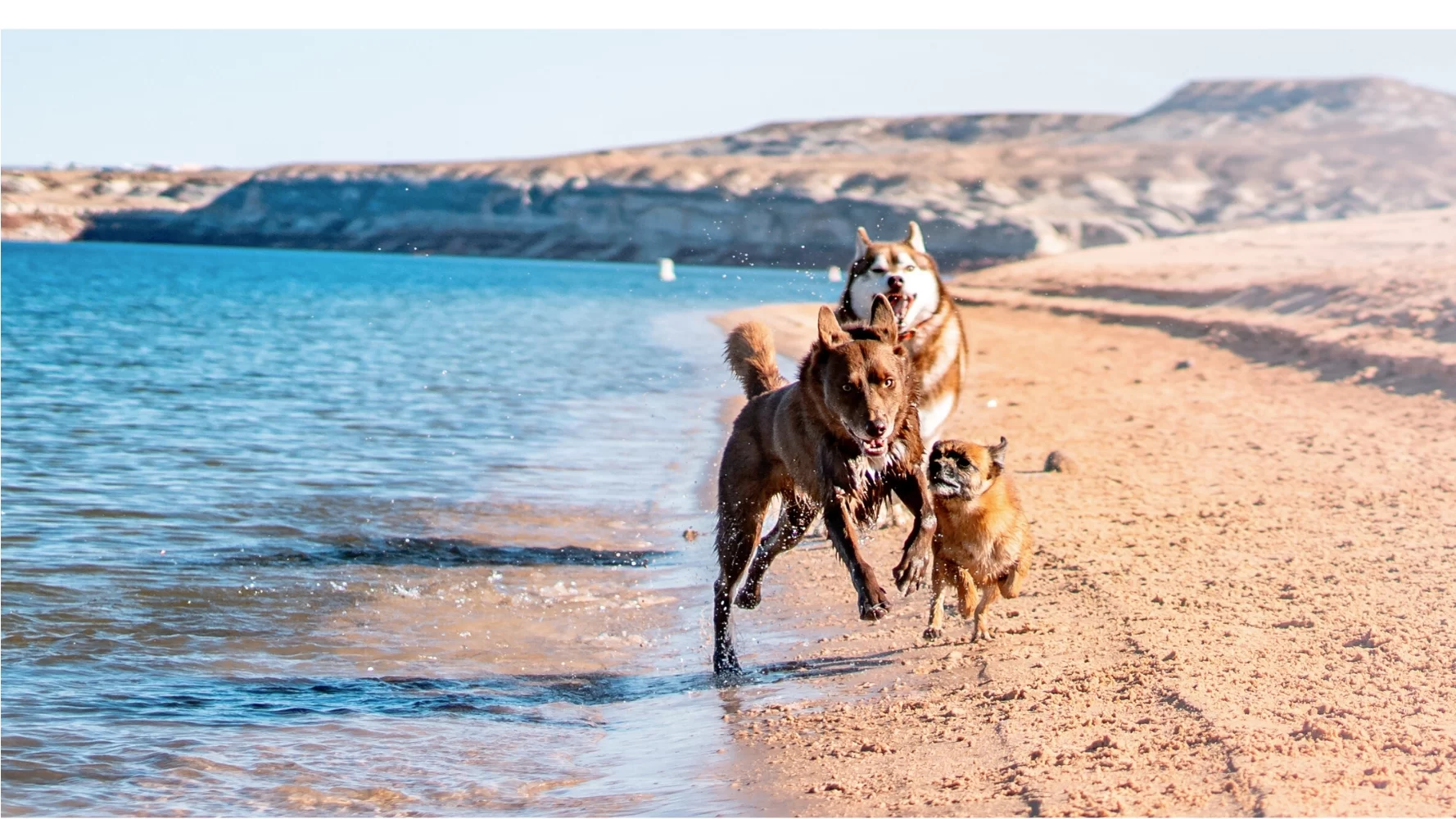
- Practicing “catch and release,” where you call your dog, reward them, and then immediately send them back out to enjoy freedom!
This teaches your dog that coming to you does not always end the fun. In fact, it often makes the experience better.
The more enjoyable and predictable recall feels, the more your dog will choose it, even when distractions are present.
Tip 3: Repetition Builds Reliability
Instead of thinking of recall as a command, think of it as a conditioned reflex.
Reliable recall is built the same way muscle memory is built: through repetition.
One or two reps don’t create reliability. Dozens create understanding. Hundreds create automatic responses.
Every recall rep reinforces:
- the turn toward you
- the movement back to you
- the follow-through all the way to you
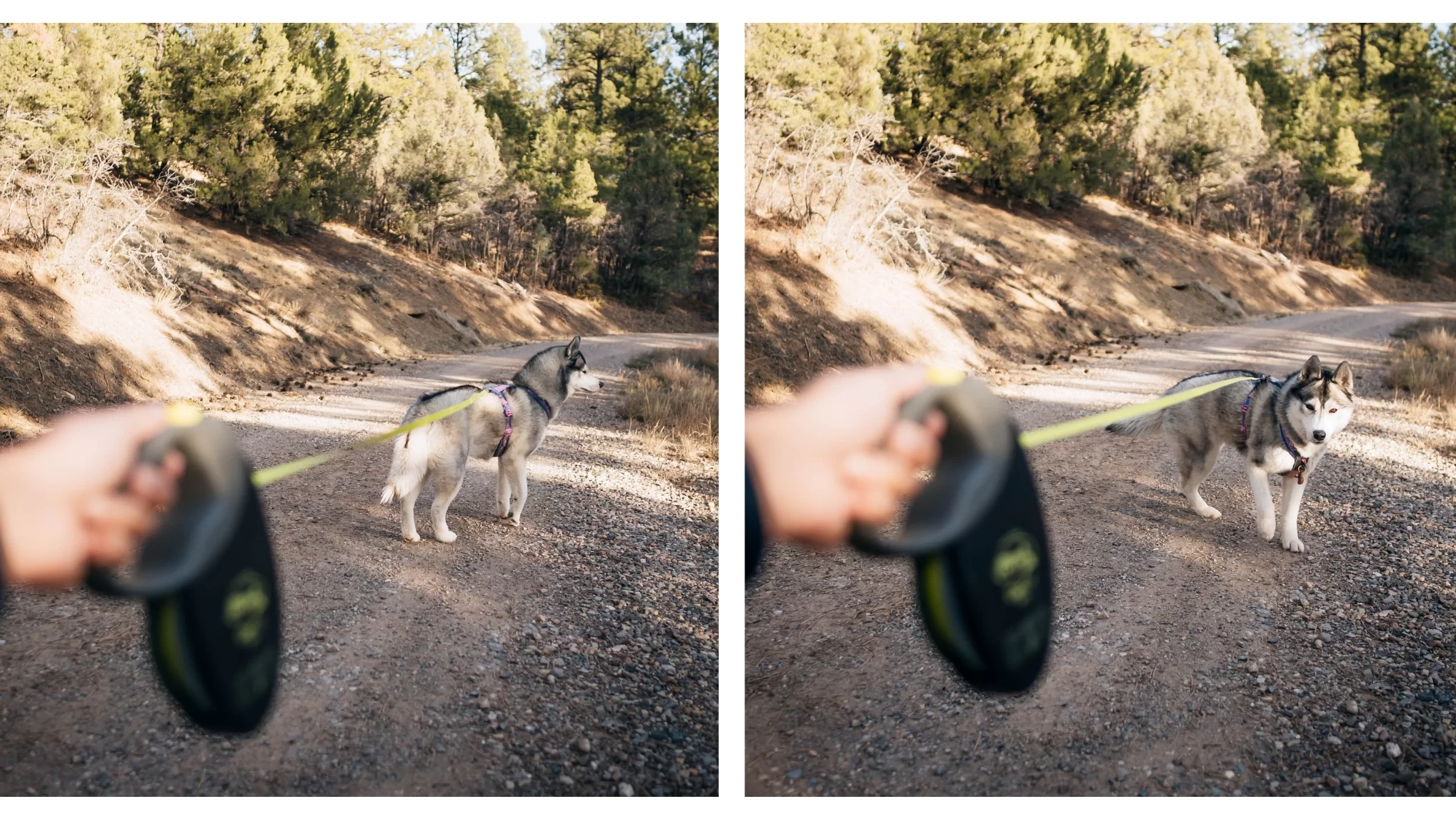
Over time, repetition removes hesitation. Your dog responds before they even process the distractions around them.
Your goal is not to convince your dog in the moment.
Your goal is to make recall instinctive.
And instinct comes from structured, consistent reps layered across environments.
Reframe The “Ignoring” Narrative
The next time your dog doesn’t respond outside, don’t think stubborn.
Think:
- overwhelmed
- under-trained for this environment
- missing layers or reps
If you want a clear roadmap that shows you exactly how to build recall from indoor success to reliable outdoor response, check out our Canine Gains Basic Voice-Only Recall Course and our Advanced E-Collar Recall Bundle!
Each of these courses give you a structured plan, clear exercises, and proven progressions so you can train recall with confidence and consistency.
Reliable recall is not luck.
It’s built, one layer at a time.