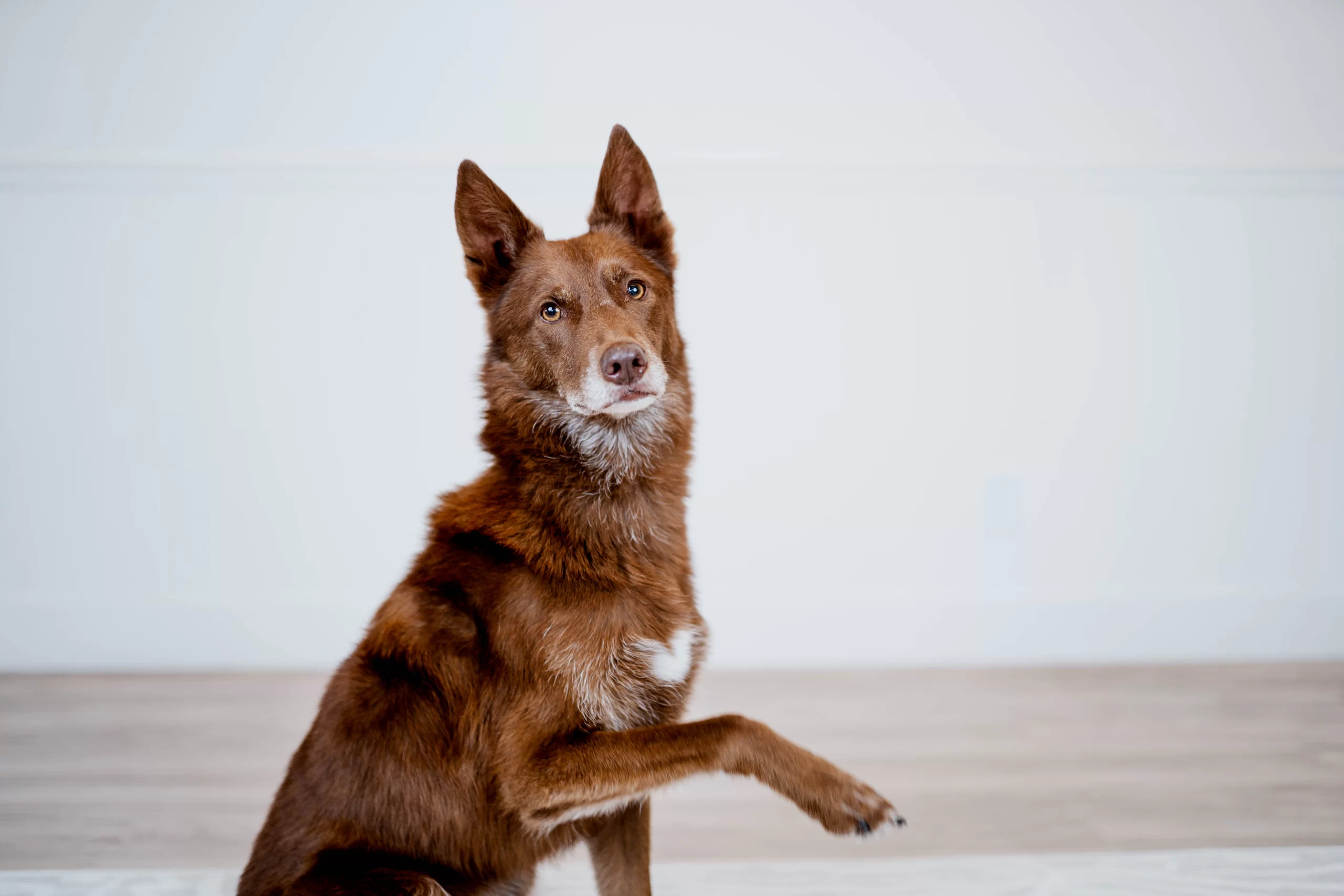
Why Now Is Easier Than Later — And How to Begin Simply
Training often feels like something we will get to later…
After work slows down.
After life feels more manageable.
After the weather improves.
But with dogs, “later” usually means the habits being practiced today simply become stronger tomorrow.
A dog who pulls on the leash next week is not being stubborn. They are repeating what worked for them this week.
A dog who ignores recall later is not being defiant. They simply have not had a clear, structured way to learn what recall truly means.
Dog behavior is shaped by repetition. Whatever is practiced becomes familiar, and whatever becomes familiar becomes the default response.
Behavior rehearsed becomes behavior reinforced.
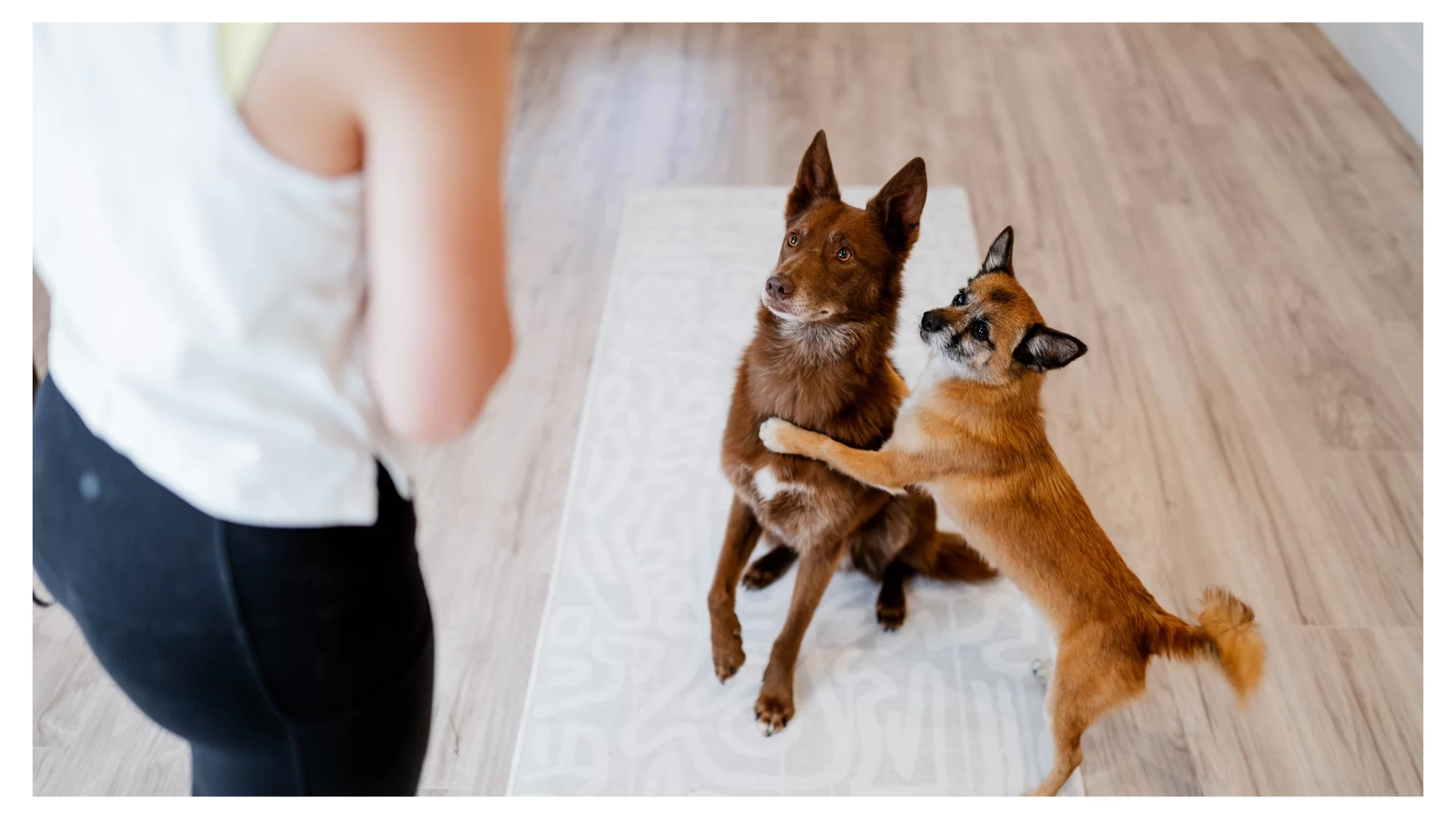
That is why starting now matters. Not because you are behind or failing, but because change is simply easier the earlier you step in.
The good news is that training does not need to be complicated, overwhelming, or time consuming. With the right structure, even small amounts of practice can create meaningful progress.
At Canine Gains, our DIY training programs are designed specifically for busy owners who want results without spending hours each day training.
Here are three simple ways you can begin building better behavior starting today.
Tip 1: Follow a Structured Training Plan
Training becomes significantly easier when you know exactly what to work on.
A structured plan removes guesswork and replaces it with clarity. Instead of wondering what to practice or when to move forward, you follow a clear blueprint.
A good training plan tells you:
- Which exercises to practice
- How many sets and reps to complete
- When and how to increase difficulty
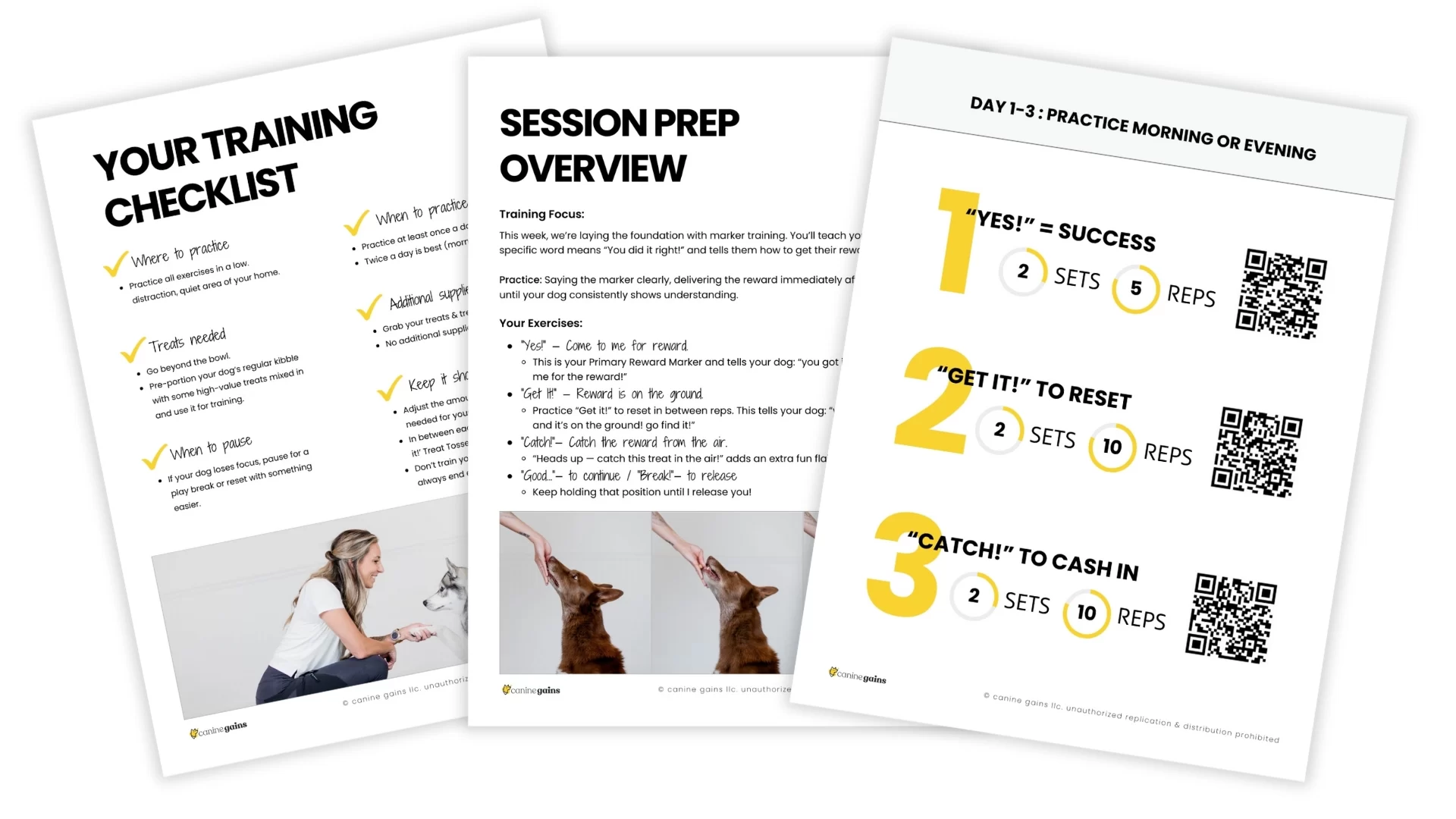
This structure prevents random training sessions that stall progress. It also keeps you from jumping too far ahead before your dog is ready.
Just like in the gym, consistent progress comes from following a program, not improvising workouts day by day.
When training is structured, you stop hoping for improvement and start building it intentionally. Each of our courses provide you with detailed exercise demo videos, a Training Checklist, Session Prep Overview, and Drill Sheets that tell you exactly what to practice!
Tip 2: Practice Short, Focused Sessions
One of the biggest misconceptions about dog training is that it requires long sessions.
In reality, dogs learn best through short, focused practice sessions. For most dogs, this means anywhere from three to ten minutes at a time, depending on experience and focus level.
One of the easiest ways to fit training into a busy schedule is to “Go Beyond the Bowl” by replacing mealtime with training time.
Instead of pouring your dog’s food into a bowl and walking away:
- Use their daily meals as training rewards
- Refer to your training plan for exercises to practice
- Complete a few focused sets and reps
This simple shift builds consistency without requiring extra time in your day. Your dog still eats, and training happens naturally as part of your routine.
Small sessions practiced consistently are far more powerful than long sessions done occasionally.
Sign up for our Free Foundations Course to learn more!
Tip 3: Track Your Progress
Training progress happens gradually, which can make improvement hard to see without tracking it.
Just like strength training, progress is built rep by rep. When you document your sessions, patterns begin to emerge.
Tracking your training allows you to:
- See what is working
- Identify where your dog struggles
- Know when it is time to increase difficulty
- Build confidence by seeing improvement over time
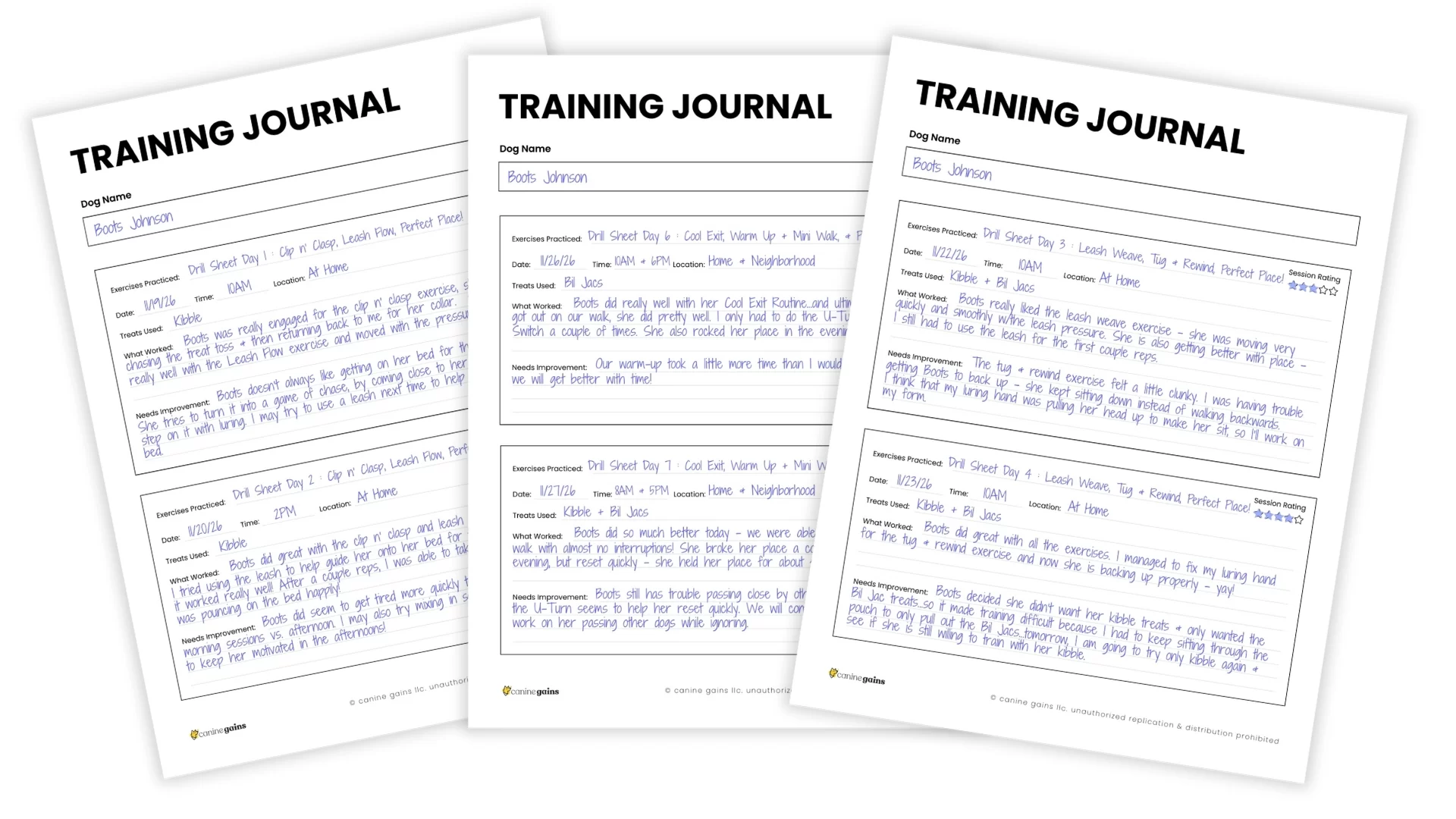
A simple training journal or progress tracker turns training into a process instead of a guessing game.
When you can visually see progress building week by week, motivation increases and consistency becomes easier to maintain.
Start Training Today
If your goal is calmer walks, better focus, or a recall you can truly rely on, you do not need to wait for the perfect moment.
You do not need more time, better weather, or a reset on life.
You just need to start where you are.
Small steps taken consistently will always outperform waiting for the right time.
If you are ready to begin building a strong foundation, you can get instant access to our free Canine Gains Foundations Course, where we walk you through the basics of communication, structure, and training clarity step by step.
Because the best time to start training your dog is not later.
It is NOW!